
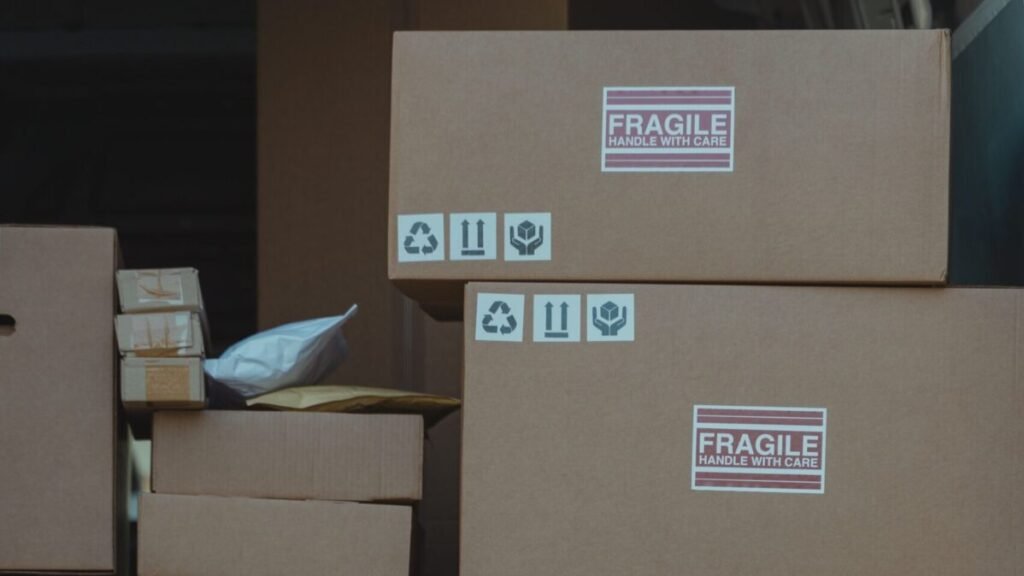
Shipping a package sounds simple enough. Hand over the box, get a tracking number, and wait for it to appear at the other end.
Then you check tracking.
Label created.
You check again six hours later.
Label created.
The next morning?
Still sitting there, apparently enjoying a very relaxing vacation without you.
The reason shipping times can be confusing is that there isn’t just one clock. There may be time spent waiting for the seller to prepare the order, time before the carrier actually receives it, and then the shipping time itself.
For most packages shipped within the United States, delivery takes about 1 to 5 business days after the carrier accepts the package. Economy services can take longer, while overnight and other expedited services may arrive in one to three business days depending on the carrier, destination and service selected.
International packages are a different creature. They may arrive within several business days or take several weeks because customs and another country’s delivery network become part of the trip.
Quick Answer
| Most domestic packages arrive within 1 to 5 business days after the carrier accepts them. Overnight and expedited services may arrive in 1 to 3 business days, while economy shipping can take longer depending on the carrier, destination, and service selected. International shipping may take several days to several weeks depending on customs and destination-country processing. |
A Quick Look at Shipping Times
| Type of shipping | Typical time |
| Same-day local courier | Several hours |
| Overnight/next-business-day service | About 1 business day |
| Two-day service | About 2 business days |
| Three-day service | About 3 business days |
| Standard ground | About 1–5 business days |
| Economy shipping | About 3–8 business days, sometimes longer |
| USPS Media Mail | Generally 2–8 days for eligible items |
| Expedited international | Often several business days, plus customs |
| Economy international | Often several weeks |
These are planning ranges rather than promises. The actual delivery date depends on where the package starts, where it is going, when the carrier receives it and which service is being used.
And that phrase “when the carrier receives it” matters more than many people realize.
When Does the Shipping Clock Actually Start?
Usually, not when you print the label.
Suppose you print a two-day shipping label at 10 p.m. Friday night.
The box is sitting on your kitchen counter.
UPS, FedEx or USPS does not know that you’re feeling extremely productive at 10 p.m. Friday.
If you don’t hand the package to the carrier until Monday, the shipping clock generally starts when the carrier accepts it.
If Monday happens to be a carrier holiday, it may not begin moving until Tuesday.
Cutoff times matter too. A staffed counter, drop box, retail shipping partner and scheduled pickup can have different final acceptance times.
Drop a package off after the last collection and it may sit until the next operating day.
That’s why an acceptance receipt or scan is important when timing matters. It tells you the package has actually entered the carrier’s possession.
“Label Created” Does Not Mean “Shipped”
This is one of the most confusing tracking messages.
Label created usually means exactly that: somebody created the shipping label and tracking number.
The package may still be sitting in a warehouse, store, office or somebody’s living room.
For an online purchase, this distinction can explain why something marked “shipped” doesn’t appear to move for a day or two.
A useful way to think about the total delivery time is:
Seller handling time + carrier transit time + unexpected delays = the time you actually wait
For example, suppose a seller takes two business days to prepare your order and then sends it using a service that normally takes three business days.
That’s approximately five business days, not three.
Once tracking shows an acceptance, pickup or origin scan, you have much stronger evidence that the carrier actually has the package.
How Long Do USPS, UPS and FedEx Take?
All three major U.S. carriers offer faster and slower choices.
USPS
Common USPS package services include:
- Priority Mail Express: generally 1–3 days to eligible destinations
- Priority Mail: generally 2–3 days
- USPS Ground Advantage: generally 2–5 business days
- Media Mail: generally 2–8 days for qualifying media
Priority Mail Express includes a money-back guarantee under applicable USPS rules and exceptions. The other services generally use expected delivery dates rather than the same type of guaranteed commitment.
UPS
Common UPS services include:
- Next Day Air: next-business-day options
- 2nd Day Air: two-business-day service
- 3 Day Select: three-business-day service
- UPS Ground: generally 1–5 business days
UPS also has economy services that can take longer and may involve another carrier for final delivery.
FedEx
Common FedEx choices include:
- FedEx Overnight services: next-business-day options
- FedEx 2Day: two-business-day service
- FedEx Express Saver: three-business-day service
- FedEx Ground: generally 1–5 business days in the contiguous United States
Ground shipments involving Alaska and Hawaii can take longer.
Carrier services, guarantees and availability change, so for anything with a firm deadline, use the carrier’s current calculator for the actual ZIP codes, mailing date and package rather than relying on a general chart.
Two-Day Shipping Usually Does Not Mean 48 Hours
This one catches people all the time.
If a two-business-day package is accepted before cutoff Monday, Wednesday may be the expected delivery day.
But give the same package to the carrier Friday afternoon and the answer could be Tuesday, depending on whether the service counts the weekend.
Add a Monday holiday and the expected date could move again.
Some carriers and services do deliver on Saturdays or Sundays, but weekend delivery isn’t handled identically by every service or in every location.
So instead of counting 48 hours on your phone, look at the actual delivery date calculated for that shipment.
What Happens to a Package After You Ship It?
A package’s journey usually has several stages.
First the label is created. Then the carrier accepts the package and sends it to an origin sorting facility.
From there it may travel by truck, aircraft, rail or a combination of transportation methods. It may pass through several regional hubs before reaching a facility near the destination.
Then it is sorted for a local route, marked out for delivery, and finally delivered.
And no, the route doesn’t always make geographical sense when you’re watching it from your couch.
A package going from Point A to Point B may first travel in what appears to be the wrong direction because carriers use large sorting hubs. The package isn’t sightseeing. It’s going to the facility that can put it onto the correct transportation route.
Why Hasn’t My Tracking Updated?
Because package tracking is generally a record of events, not a live GPS transmitter attached to your box.
A package can spend hours traveling inside a truck, trailer or aircraft container without receiving another physical scan.
That’s why something can appear frozen at a sorting facility overnight and suddenly show up hundreds of miles away the next morning.
Some common tracking messages mean:
Label created: The label exists, but the carrier may not have the package yet.
Accepted or picked up: The carrier has received it.
In transit: It’s moving through the network or waiting for its next scheduled movement.
Arriving late or delayed: The original delivery estimate may no longer be achievable.
Delivery exception: Something such as weather, damage, an address problem, customs or an unsuccessful delivery attempt has affected the shipment.
Out for delivery: The package is generally on a local delivery route. It can still arrive quite late in the day.
Delivered: The carrier has recorded the delivery as complete.
A quiet tracking page for several hours does not automatically mean the package is lost.
Why Packages Get Delayed
Sometimes the explanation is surprisingly ordinary.
A box can miss the day’s cutoff by five minutes and lose an entire day.
An incomplete apartment number can send it into address correction.
A damaged barcode can require manual handling.
A storm hundreds of miles away can affect the hub through which your perfectly sunny hometown’s package was supposed to travel.
Other common causes include holidays, heavy shipping volume, damaged packaging, missed transportation connections, signature problems, carrier handoffs and restricted contents.
Then there are the big online sales.
We still call them things like Black Friday, although Black Friday now seems capable of appearing more than once a year. Somehow we still have to shop all of them just the same.
Those sales and holiday surges can put enormous numbers of packages into carrier networks at once.
Packaging Can Affect the Delivery Time Too
The shipping service isn’t the only thing that matters.
Very large, heavy or unusually shaped packages may require special handling. Incorrect measurements can cause processing or pricing problems.
The contents matter too.
Lithium batteries, perfume, aerosols, alcohol, dry ice, perishables and other regulated items can have special packaging or transportation requirements. Some items cannot travel using certain air services.
And then there’s the humble shipping label.
A missing apartment number, incorrect ZIP Code, old address, damaged barcode or unreadable label can bring an otherwise perfectly healthy shipment to a screeching halt just a few miles from its destination.
Double-checking an address takes seconds. Correcting one after the package is moving can take considerably longer.
Estimated Delivery Is Not the Same as Guaranteed Delivery
Most delivery dates are estimates.
A carrier is telling you when it currently expects the package to arrive based on the selected service and conditions.
Certain time-definite services may have a money-back guarantee or other service commitment, but even those have rules and exceptions.
Weather, customs, an incorrect address, prohibited contents, late acceptance and other circumstances may affect whether a refund or credit applies.
If something absolutely must arrive by a particular date, don’t just look for the word overnight.
Before paying extra, check:
- whether the destination qualifies for the promised delivery date and time,
- whether the service currently carries a guarantee,
- what the local acceptance cutoff is, and
- what circumstances are excluded from that guarantee.
That’s a much better test than simply choosing the most expensive button.
How Long Does International Shipping Take?
International shipping can take anywhere from a few business days to several weeks.
The carrier is only one part of the journey.
The package may need export processing, international transportation, customs clearance, payment of duties or taxes, and then transfer into another country’s postal or delivery network.
International packages can be delayed by incomplete customs forms, vague descriptions of the contents, incorrect values, missing documents, prohibited items, customs inspections, unpaid import charges, local holidays or transportation disruptions.
Even an expedited international service cannot make customs disappear.
If you’re sending something important overseas, allow more time than the carrier’s transportation estimate alone suggests.
How Do You Choose the Right Shipping Speed?
Start with a different question:
What happens if this package is late?
If you’re sending ordinary clothes to a family member and a one-day delay doesn’t matter, ground shipping may be perfectly reasonable.
If you’re sending documents that must arrive by a firm deadline, a time-definite service may be worth the extra cost.
Two- or three-day shipping can be a useful middle ground when ground service feels too uncertain but overnight pricing is unnecessary.
Economy shipping works well when price matters more than speed.
Insurance or declared-value coverage can help financially if an eligible package is lost or damaged, but it doesn’t make the truck drive faster.
And requiring a signature can protect an important delivery, although it can also create a delay if nobody eligible is there to sign for it.
What If the Package Looks Lost?
Don’t panic the first time tracking pauses.
Start by checking whether the carrier ever actually accepted the package. If the only status is label created, the seller or sender is usually the first person to contact.
If tracking shows a delivery exception, see whether the carrier is asking for an address correction, signature arrangement, customs payment or other action.
If the package says delivered but isn’t where you expected it, check other doors, the garage, parcel lockers, mail areas, household members, reception desks, neighbors and any delivery photo.
For a retail purchase, contact the seller as well. The seller may be the party that purchased the shipping label and therefore the one that must begin a trace or claim.
Each carrier has its own rules about when a package can officially be treated as missing.
For a valuable shipment, keep the receipt, tracking history, proof of value, photographs and packaging until the situation is resolved.
Related Articles
If you are planning a trip or waiting for a delivery for a home project, these other guides may also be useful:
- How Long Does It Take to Install Blinds or Curtains?
- How Long Does It Take to Check In For a Flight?
- How Long Does It Take to Clean a House?
- How Long Does It Take to Get Through Customs?
- How Long Does It Take to Get Through Airport Security?
Frequently Asked Questions
How long does shipping usually take?
Most domestic packages take about 1 to 5 business days after the carrier accepts them. Economy services can take longer, while expedited services may arrive in one to three business days.
Does two-day shipping mean 48 hours?
Usually not. It normally refers to two counted business days after timely carrier acceptance. Weekends, holidays and cutoff times can change the actual calendar date.
Why does tracking say “label created”?
It usually means the sender generated the shipping label and tracking number. The carrier may not have received the physical package yet.
Why hasn’t my package moved?
It may actually be moving. Packages can travel for hours inside trucks, trailers or aircraft containers without receiving another scan.
Why does my package say “out for delivery” all day?
Local delivery routes can continue into the evening. Weather, route volume, vehicle problems or an unsuccessful attempt can occasionally push delivery to another day.
Can a package arrive earlier than estimated?
Yes. Packages sometimes move through the network faster than expected, particularly with ground services. For something important, however, plan around the carrier’s official expected date rather than counting on an early arrival.
Does shipping insurance make a package arrive faster?
No. Insurance or declared-value protection can provide financial protection for eligible loss or damage, but it does not increase the package’s transportation priority.
How long does international shipping take?
Expedited international shipments may arrive within several business days, while economy services can take several weeks. Customs and destination-country delivery can add time beyond the carrier’s transportation estimate.
Quick Summary
Most domestic packages take about 1 to 5 business days after carrier acceptance. Overnight and expedited services can be faster, while economy services and remote destinations may take longer.
But the complete wait isn’t always the same as the advertised shipping speed.
A seller may need time to prepare an order before the carrier ever sees it. A printed label doesn’t prove that the package has been shipped. And two-day shipping usually means two counted business days under the carrier’s schedule, not necessarily 48 hours from the moment you clicked Buy.
Tracking can also look quieter than the package really is. A box traveling inside a truck or aircraft may go many hours without another scan.
For the most dependable estimate, use the carrier’s current calculator with the actual origin, destination, mailing date, package and service. Then check the cutoff time before you hand it over.
That’s far more useful than staring at In Transit and trying to telepathically encourage the box toward your house.
Sources & References
- United States Postal Service — Mail and Shipping Services
- United States Postal Service — Priority Mail Express
- United States Postal Service — International Mail and Shipping Services
- United States Postal Service — International Service Alerts
- United States Postal Service — Missing Mail and Lost Packages
- UPS — Domestic Shipping Services
- UPS — Tracking Support
- UPS — Service Guarantee
- FedEx — FedEx Ground
- FedEx — Overnight Shipping
- FedEx — Money-Back Guarantee Policy and Delivery Commitments
Editorial Review
Reviewed by Claire Bennett, Managing Editor
Last reviewed: October 2026
Quick Answer Guide publishes practical, research-based answers to common questions about money, technology, health, travel, home improvement, and everyday life. Content is reviewed using official government resources, educational institutions, industry publications, carrier documentation, and other authoritative sources when appropriate. Articles are updated periodically to improve accuracy and usefulness.