
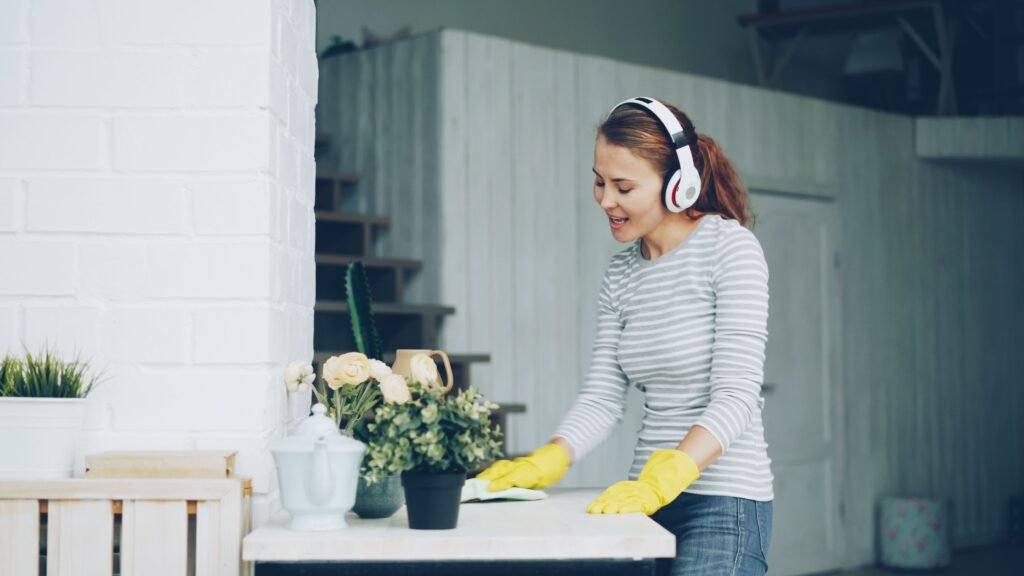
If you are wondering how long it takes to clean a house, the answer depends on how much cleaning needs to be done and how organized the home already is. A quick weekly cleanup may only take an hour or two, while deep cleaning an entire house can easily turn into an all-day project.
Quick Answer
Cleaning a house usually takes anywhere from 1 to 6 hours depending on the size of the home, amount of clutter, and level of cleaning required. Small apartments or light weekly cleaning may be finished fairly quickly, while deep cleaning kitchens, bathrooms, floors, and heavily used rooms can take much longer.
Typical House Cleaning Times
Typical cleaning timelines often include:
| Small apartments or studios | Usually 1–2 hours |
| Average homes | Often 2–4 hours |
| Large homes | Sometimes 4–6 hours or longer |
| Deep cleaning projects | Often several hours or a full day |
Homes that are cleaned regularly are usually much faster to maintain than homes with heavy clutter or buildup.
Typical Cleaning Timeline by Room
Different rooms require different amounts of time and effort to clean.
Kitchen
Typical timeline:
• 20 to 60 minutes
Kitchens often take the longest because of food preparation areas, appliances, countertops, sinks, and floors that require regular attention.
Bathroom
Typical timeline:
• 15 to 45 minutes per bathroom
Cleaning showers, tubs, toilets, mirrors, and sinks can be time-consuming, particularly when soap scum or hard-water stains are present.
Living Room
Typical timeline:
• 15 to 30 minutes
Dusting, vacuuming, organizing, and wiping surfaces are usually the primary tasks.
Bedrooms
Typical timeline:
• 10 to 30 minutes per room
Making beds, dusting furniture, vacuuming, and organizing personal items account for most cleaning time.
Laundry Room and Utility Areas
Typical timeline:
• 10 to 20 minutes
These areas are often quick to clean but may require occasional deep cleaning and organization.
What Takes the Longest When Cleaning a House?
Some household tasks consistently require more time and effort than others.
Kitchens
Kitchens are often the most time-consuming room to clean because they contain numerous surfaces, appliances, cabinets, sinks, and floors. Grease, food residue, and frequent daily use often require extra attention.
Bathrooms
Bathrooms frequently require detailed cleaning to remove soap scum, water spots, mildew, and bacteria. Showers, tubs, toilets, sinks, and mirrors can take considerable time during deep-cleaning sessions.
Floors
Vacuuming, sweeping, mopping, and spot-cleaning floors throughout an entire house can become one of the largest cleaning tasks, especially in larger homes or homes with pets.
Laundry
Laundry often extends beyond simply washing clothes. Sorting, washing, drying, folding, hanging, and putting items away can add significant time to household cleaning routines.
Organization
Many people discover that organizing takes longer than the actual cleaning. Closets, cabinets, drawers, storage rooms, and cluttered spaces often require sorting and decision-making before cleaning can begin.
What Affects How Long It Takes to Clean a House?
Several factors can significantly affect how long it takes to clean a house. While some homes can be cleaned in an hour or two, others may require several hours or even a full day.
Home Size
Larger homes naturally take longer to clean because there are more floors, rooms, surfaces, and fixtures that require attention. A small apartment may only take a couple of hours to clean, while a large multi-story home may require much more time.
Number of Rooms
Even homes with similar square footage can have different cleaning times. More bedrooms, bathrooms, offices, and living spaces often mean more surfaces to dust, vacuum, organize, and sanitize.
Level of Clutter
Clutter can dramatically increase cleaning time. Before many surfaces can be cleaned, items often need to be picked up, sorted, or put away. Homes with minimal clutter are usually much faster to clean and maintain.
Number of Occupants
Homes with children, pets, or multiple occupants usually require more frequent cleaning and maintenance.
Type of Cleaning
Basic weekly cleaning is much faster than deep cleaning tasks like scrubbing baseboards, washing walls, or cleaning inside appliances.
Pets
Pets can add additional cleaning responsibilities, including vacuuming pet hair, cleaning floors, wiping surfaces, washing pet bedding, and removing odors. Multiple pets may increase cleaning requirements even further.
Children
Homes with children often require more frequent cleaning because of toys, spills, fingerprints, laundry, and general daily activity. Busy family households typically require more ongoing maintenance than homes with fewer occupants.
Cleaning Frequency
Regular cleaning usually reduces the amount of time needed for future cleaning sessions. Dirt, dust, grease, and clutter tend to build up when cleaning is postponed, making larger cleaning projects more time-consuming.
Regular Cleaning vs Deep Cleaning
Not all cleaning projects require the same level of effort.
Regular Cleaning
Routine cleaning typically includes:
• dusting
• vacuuming
• sweeping
• wiping surfaces
• cleaning bathrooms
• taking out trash
These routine tasks are often done regularly to keep dirt, dust, and clutter from building up.
Deep Cleaning
Deep cleaning goes beyond routine maintenance and may include:
• cleaning baseboards
• washing walls
• cleaning behind furniture
• scrubbing grout
• washing windows
• cleaning appliances
• organizing storage areas
Because of the additional detail involved, deep cleaning often takes several times longer than standard weekly cleaning.
How Often Should You Deep Clean a House?
Routine cleaning helps maintain a home’s appearance, while occasional deeper cleaning tackles dirt, dust, and grime that regular cleaning may miss.
A practical cleaning schedule might look like:
• Weekly: Basic cleaning and maintenance
• Monthly: Deep clean kitchens and bathrooms
• Quarterly: Clean windows, baseboards, and appliances
• Annually: Complete whole-house deep cleaning
The ideal schedule depends on the number of occupants, pets, lifestyle habits, and personal preferences.
Ways to Clean a House Faster
Cleaning a house does not have to consume an entire day. A few simple strategies can help make the process more efficient.
Use a Cleaning Checklist
A checklist helps create a clear plan and prevents important tasks from being overlooked. Many people work faster when they follow a structured cleaning routine.
Clean One Room at a Time
Moving methodically from room to room often improves efficiency. Focusing on one area before moving to the next can reduce distractions and unnecessary backtracking.
Keep Cleaning Supplies Nearby
Keeping cleaning products, cloths, trash bags, and tools within easy reach reduces the amount of time spent searching for supplies during the cleaning process.
Declutter Before Cleaning
Removing clutter before dusting, vacuuming, or wiping surfaces allows cleaning tasks to be completed more quickly and effectively.
Perform Small Cleanups Regularly
Short daily or weekly cleaning sessions can prevent dirt and clutter from accumulating. Regular maintenance often reduces the amount of time needed for larger cleaning projects.
Use Efficient Cleaning Tools
Lightweight vacuums, microfiber cloths, cordless cleaning tools, and other modern equipment can help complete tasks more quickly while reducing physical effort.
Set a Timer
Many people find that setting a timer helps maintain focus and encourages them to complete tasks efficiently without becoming distracted by other household activities.
Common Cleaning Mistakes That Waste Time
Many people spend more time cleaning than necessary because of a few common mistakes. Avoiding these habits can make house cleaning faster and more efficient.
Cleaning Before Decluttering
Trying to dust, vacuum, or wipe surfaces before removing clutter often creates extra work. Picking up and organizing items first usually allows cleaning tasks to be completed much more quickly.
Constantly Switching Rooms
Moving back and forth between rooms can waste valuable time and make it difficult to stay focused. Many people clean more efficiently when they finish one room completely before moving to the next.
Not Having Supplies Ready
Searching for cleaning products, paper towels, vacuum attachments, or trash bags can interrupt momentum and extend the cleaning process. Gathering supplies before starting often saves time.
Trying to Deep Clean Everything at Once
Attempting to deep clean an entire house in a single day can become overwhelming. Breaking larger projects into smaller tasks often makes cleaning more manageable and sustainable.
Professional Cleaning vs DIY Cleaning
Many homeowners wonder whether hiring professional cleaners saves time compared to cleaning themselves.
Professional House Cleaning
Professional cleaning services often work efficiently because they have experience, specialized equipment, and established cleaning systems. A team of cleaners may complete tasks in a few hours that could take a homeowner much longer.
Do-It-Yourself Cleaning
DIY cleaning allows homeowners to work at their own pace and focus on specific priorities. While it may save money, it often requires a greater time commitment, especially for deep-cleaning projects.
Which Option Is Faster?
Professional cleaning is usually faster because multiple cleaners can work simultaneously throughout the home. However, regular maintenance cleaning performed by homeowners may reduce the need for frequent professional services.
Choosing the Right Approach
The best option depends on budget, schedule, home size, and personal preferences. Some homeowners perform routine cleaning themselves and hire professionals for occasional deep-cleaning projects.
Can Cleaning a Little Each Day Save Time?
In many cases, yes. Small daily cleaning habits can significantly reduce the amount of time required for larger cleaning sessions.
Prevents Dirt and Clutter Buildup
Completing small tasks regularly helps prevent messes from becoming overwhelming. Washing dishes, putting items away, and wiping surfaces daily often reduces future cleaning time.
Makes Weekly Cleaning Easier
Homes that receive regular attention typically require less scrubbing, organizing, and deep cleaning during weekly cleaning sessions.
Reduces Stress
Many people find that short daily cleaning sessions feel more manageable than spending several hours cleaning all at once.
Creates Better Cleaning Habits
Simple routines such as making beds, putting away laundry, and cleaning kitchen surfaces each day can help maintain a cleaner home with less overall effort.
Small Tasks Add Up
Even spending 10 to 15 minutes each day on basic household chores can make a noticeable difference. Consistent maintenance often saves time compared to tackling large cleaning projects after dirt and clutter have accumulated.
Why Cleaning Sometimes Takes Longer
Cleaning projects often take longer than expected because small messes quickly turn into larger jobs.
Common causes of delays include:
heavy clutter
pet hair buildup
laundry piles
greasy kitchens
multiple bathrooms
interruptions or distractions
deep-cleaning tasks
Homes that have not been cleaned recently may require much more time and effort than regular weekly maintenance.
Why Cleaning Times Vary
House cleaning times depend on several factors, including home size, number of occupants, clutter level, and cleaning method. In addition, deep-cleaning tasks such as scrubbing kitchens, bathrooms, and floors may increase the amount of time needed to finish cleaning.
Related Articles
If you are working on home cleaning or improvement projects, these related guides may also help:
- How Long Does It Take to Mow a Lawn?
- How Long Does It Take to Paint a Room?
- How Long Does It Take to Pressure Wash a House?
- How Long Does It Take Flowers to Bloom?
- How Long Does It Take to Install Blinds or Curtains?
Frequently Asked Questions
How often should you clean your house?
Basic cleaning is recommended weekly, with deep cleaning monthly.
What is the fastest way to clean a house?
Cleaning room by room with a checklist is efficient.
Does cleaning regularly save time?
Yes. Regular weekly cleaning usually prevents heavy buildup and makes future cleaning much faster and easier.
Why do kitchens and bathrooms take so long to clean?
These rooms often collect the most dirt, grease, soap buildup, and moisture, which usually requires more scrubbing and detailed cleaning
Does decluttering help cleaning time?
Yes, less clutter makes cleaning faster.
How long does it take to deep clean a house?
Deep cleaning a house often takes anywhere from several hours to a full day depending on the size of the home and the amount of cleaning required. Larger homes or homes with significant buildup may require even more time.
How often should a house be cleaned?
Most homes benefit from basic cleaning at least once per week. Tasks such as vacuuming, dusting, cleaning bathrooms, and wiping kitchen surfaces help prevent dirt and clutter from accumulating.
What room takes the longest to clean?
Kitchens and bathrooms are usually the most time-consuming rooms because they require detailed cleaning, scrubbing, and sanitizing. Appliances, showers, tubs, and countertops often need extra attention.
Does decluttering make cleaning faster?
Yes. Removing clutter before cleaning allows easier access to floors, furniture, and surfaces. Many people find that decluttering significantly reduces overall cleaning time.
How long does it take professional cleaners?
Professional cleaning services often complete routine house cleaning within 2 to 4 hours, although the exact time depends on the size of the home, number of cleaners, and level of cleaning requested.
Can one person clean an entire house in a day?
Yes. One person can often clean an entire house in a day, especially when following a checklist and focusing on the most important tasks. However, larger homes or deep-cleaning projects may require additional time.
How often should you clean bathrooms?
Most experts recommend cleaning bathrooms at least once per week. Homes with multiple occupants, children, or frequent guests may benefit from more frequent cleaning.
How often should floors be cleaned?
High-traffic floors often need sweeping or vacuuming several times per week. Mopping schedules vary, but many homeowners mop hard floors weekly or as needed based on foot traffic, pets, and household activity.
Quick Summary
Cleaning a house typically takes anywhere from 1 to 6 hours depending on the size of the home, number of rooms, amount of clutter, and level of cleaning required. Smaller apartments and homes that receive regular maintenance can often be cleaned relatively quickly, while larger homes and deep-cleaning projects may require several hours or even a full day.
Several factors affect cleaning time, including home size, number of occupants, pets, children, cleaning frequency, and the amount of organization needed before cleaning can begin. Kitchens, bathrooms, floors, laundry, and cluttered areas are often the most time-consuming parts of the cleaning process.
Regular maintenance cleaning is usually much faster than deep cleaning because dirt, dust, and clutter have less time to accumulate. Small daily cleaning habits can also reduce the amount of time needed for larger weekly cleaning sessions.
Whether you clean the house yourself or hire professional cleaners, having a plan, staying organized, and cleaning consistently can help make household cleaning more efficient and manageable. For most homeowners, regular upkeep is the key to keeping cleaning times shorter and preventing larger projects from becoming overwhelming.
Sources & References
- American Cleaning Institute (ACI) Cleaning Resources
- Centers for Disease Control and Prevention (CDC) Cleaning and Disinfecting Guidance
- Environmental Protection Agency (EPA) Healthy Home Resources
- Mayo Clinic Healthy Home Cleaning Tips
- Good Housekeeping Cleaning and Organization Guides
Editorial Review
Reviewed by Claire Bennett,
Managing Editor
Last reviewed: October 2026
Quick Answer Guide publishes practical, research-based answers to common questions about money, technology, health, travel, home improvement, and everyday life. Content is reviewed using official government resources, educational institutions, industry publications, and other authoritative sources when appropriate. Articles are updated periodically to improve accuracy and usefulness.