
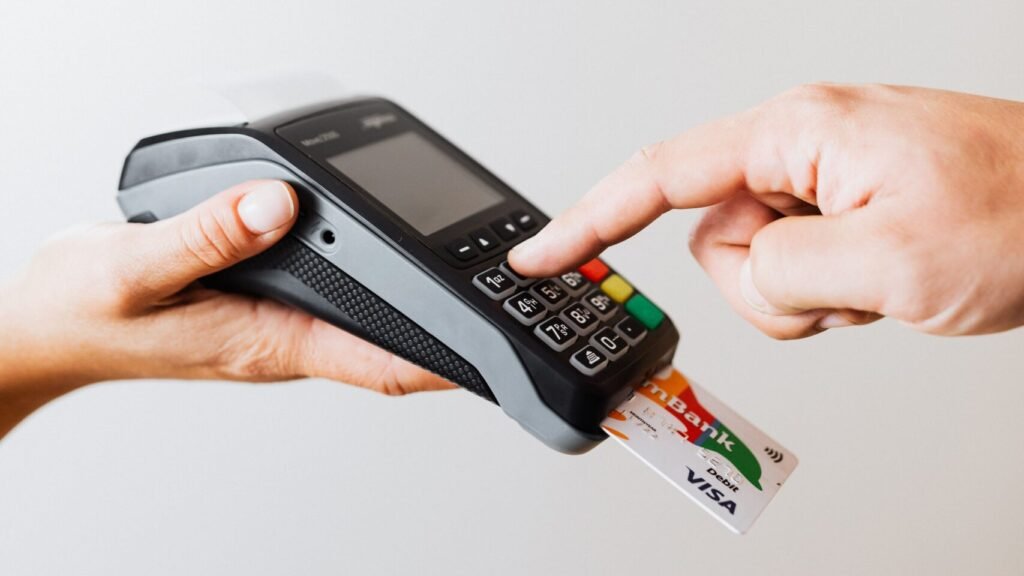
Waiting for a credit card refund can feel strangely unsettling. The store may say the refund was issued, yet your card account still shows the original purchase. Meanwhile, your available credit may be lower than expected, your payment due date may be approaching, or the money may be needed for another expense. Because the merchant and the card issuer can see different parts of the process, even a routine delay can become difficult to explain.
In most cases, a missing refund is not actually lost. It is moving through a multistep system that includes the merchant, the merchant’s payment processor, the card network, and the card issuer. In addition, a return may need to be received and inspected before the merchant approves the credit. Weekends, holidays, billing cutoffs, international processing, and account changes can add more time.
However, not every delayed credit is a normal merchant refund. A canceled pending charge, a promotional statement credit, and a formal billing dispute follow different rules and timelines. Therefore, the first useful step is identifying which process applies. Once you know that, you can ask better questions, preserve your rights, and avoid waiting indefinitely.
Quick Answer
Most ordinary credit card refunds appear within about 5 to 14 business days after the merchant approves them, although some post sooner. A retailer may quote 3 to 7 business days, while a card issuer may tell you to allow longer because the issuer cannot post the credit until it receives the refund through the payment system.
Federal credit-card rules also provide a useful framework. When a merchant accepts a return or agrees to credit a debt to a credit card account, the merchant generally must send a credit statement through its normal channels within 7 business days. After receiving that credit statement, the card issuer generally must credit the account within 3 business days. Still, the credit may not look immediate because the merchant first has to accept the return, and an issuer may credit the account using an effective date that is not instantly visible online.
The timeline may be longer when:
- The returned item is still traveling to the merchant.
- A warehouse must inspect the return.
- The original purchase is still pending.
- The refund was requested near a weekend or holiday.
- A travel provider, marketplace, or subscription company has extra approval steps.
- The purchase was made in another currency.
- The card was replaced, expired, or closed.
- The merchant sent only a partial refund.
- The customer is actually waiting for a formal billing dispute, not a merchant refund.
If the merchant’s stated time has passed, ask for the refund date, amount, destination card’s last four digits, and any available reference or trace number. Then contact the card issuer. Most importantly, if the issue may qualify as a billing error, do not let repeated promises from the merchant cause you to miss the federal deadline for sending a written billing-error notice.
Typical Credit Card Refund Timeline
The following estimates are planning ranges rather than promises. Merchant policies, issuer practices, and the facts of a particular transaction can change the result.
| Situation | Common timing | What the timing usually means |
| Canceled pending authorization | Often 1 to 7 days, but sometimes longer | The merchant releases or does not complete a hold; no settled charge may need to be refunded |
| Ordinary merchant refund | Commonly about 5 to 14 business days after approval | The merchant approves the credit, transmits it, and the issuer posts it |
| Mailed or shipped return | Return transit plus inspection time, then the refund period | The refund clock in the return policy may not start until the warehouse receives or accepts the item |
| Covered airline refund to a credit card | Generally due within 7 business days when federal airline-refund rules apply | This special rule applies to eligible refunds, not every voluntary cancellation |
| Formal credit card billing dispute | Up to 2 complete billing cycles, but no more than 90 days, after a qualifying notice | The issuer investigates a claimed billing error; this is not the same as a merchant-issued refund |
| Refund of a credit balance over $1 after a written request | Generally within 7 business days after the issuer receives the written request | This applies when a refund or overpayment leaves more credit than the account owes |
Although the table is useful, it does not answer one important question: When did the relevant clock begin? If you dropped a return at a carrier on Monday, but the warehouse did not receive it until Friday, the merchant may treat Friday—or the later inspection date—as the start of its internal refund period. For that reason, “I returned it two weeks ago” and “the merchant issued the credit two weeks ago” describe very different stages.
The Most Important Distinction: Requested, Approved, Sent, and Posted
People often use the phrase “my refund” for four separate events. Unfortunately, that can create confusion when a customer, merchant, and card issuer discuss the same transaction.
1. The refund was requested
At this stage, you asked the merchant to reverse all or part of the purchase. For an in-store return, the request may be reviewed immediately. By contrast, an online seller may not begin reviewing it until a returned item reaches a warehouse.
2. The refund was approved
Next, the merchant decides that the return or cancellation qualifies under its policy. An email saying “return received” does not always mean “refund approved.” Similarly, a customer-service representative may authorize the return while a separate department still needs to approve the financial credit.
3. The refund was transmitted
After approval, the merchant or its payment processor sends the credit into the card-payment system. This is the stage addressed by the federal rule requiring a merchant to transmit a credit statement within the applicable period after accepting a return or forgiving a debt.
4. The refund was posted
Finally, the card issuer applies the credit to your account. It may appear in recent activity before it appears on a monthly statement. Conversely, the issuer may assign an effective date within the required time even if the online display updates later.
Therefore, when a merchant says, “We processed it,” ask what that phrase means. Did the merchant merely approve the request, or did it actually transmit the credit? A precise answer can save several unproductive calls.
How a Credit Card Refund Moves Through the System
A card purchase looks almost instantaneous, but several businesses participate behind the scenes. Usually, the merchant accepts the card, a payment processor or acquiring bank helps route the transaction, a card network carries information, and the issuer maintains the customer’s credit card account.
A refund generally travels back through this payment chain. First, the merchant records the credit in its point-of-sale or order system. Then, the merchant submits refund information through its processor. Afterward, the card network routes the credit to the issuer. Finally, the issuer matches and posts it to the card account.
Each stage may operate in batches rather than continuously. For example, a merchant may approve a refund on Saturday but transmit its transactions on the next business day. Likewise, a small business may use a third-party platform whose settlement schedule differs from the store’s own schedule.
This structure explains why the card issuer usually cannot create a merchant refund simply because you show it a return receipt. The issuer needs the merchant’s credit record unless it opens a separate dispute. At the same time, the merchant generally cannot tell you exactly when your issuer’s online account will update. Each party controls only part of the journey.
What Federal Rules Say About Merchant Refund Timing
For U.S. consumer credit cards, Regulation Z contains a specific rule for prompt crediting of returns. When a merchant accepts a return of property or forgives a debt for services and agrees to credit the card account, the merchant generally must transmit a credit statement to the card issuer through the merchant’s normal channels within 7 business days.
Once the issuer receives the credit statement, the issuer generally must credit the account within 3 business days. However, the regulation does not require the issuer to make the entry visibly appear during that period if the account is credited as of a date within the period. Consequently, a customer-facing app and the account’s effective transaction record may update at slightly different times.
These rules are valuable, but they should not be turned into an oversimplified promise that every return must appear exactly 10 business days after you hand over an item. First, the merchant must accept the return or agree to the credit. A return still in transit or under a legitimate inspection may not have reached that point. Second, special facts can matter, including whether the transaction is covered by U.S. consumer credit-card law.
If a merchant appears to be holding an accepted refund beyond its normal processing period, save the evidence and contact the issuer. For legal guidance about a specific case, consult the Consumer Financial Protection Bureau, your state attorney general, or a qualified attorney rather than relying on a general article.
Refund, Reversal, Statement Credit, or Dispute?
Several account entries can reduce a card balance, but they are not interchangeable.
Merchant refund
A merchant refund returns some or all of a settled purchase. It is normally credited to the original payment account. For example, if a $120 jacket was purchased with a credit card and returned, the store sends a $120 credit back through the card system.
Authorization reversal or void
A reversal concerns a transaction that may still be pending. The merchant cancels or releases the authorization before the purchase fully settles. In that situation, you may never see a separate refund line. Instead, the pending charge disappears and the available credit is restored.
Statement credit
A statement credit is any credit applied to the account. A refund can appear as a statement credit, but so can a rewards redemption, promotional offer, fee adjustment, or customer-service accommodation. Therefore, the words “statement credit” do not necessarily mean the merchant returned a purchase.
Billing dispute
A dispute asks the issuer to investigate a transaction or billing problem. It may involve an unauthorized charge, goods that were not delivered, an incorrect amount, or a merchant credit that did not appear. The issuer may provide provisional credit during the investigation, but that temporary credit is not necessarily a final refund.
Understanding the category matters because the timelines and evidence differ. If a hotel hold is pending, for example, a merchant refund is not the right thing to trace. If a settled purchase was returned but never credited, however, the return documentation becomes central.
Why a Pending Charge Can Make the Refund Look Wrong
A merchant usually cannot refund a transaction in the ordinary way until the original purchase settles. Before settlement, the account may show a pending authorization rather than a completed charge.
Suppose a restaurant authorizes $100 and later corrects the bill to $80. You might briefly see a $100 pending amount, an $80 completed charge, or both. Nevertheless, the pending authorization may simply fall away after the issuer’s hold period. A separate $20 refund may never appear.
Hotels, car-rental companies, gas stations, and some online retailers commonly use estimated authorizations. Those holds can reduce available credit even though the final amount has not posted. Depending on the merchant category and issuer, a pending authorization may remain for several days and occasionally longer.
If the purchase remains pending, ask the merchant whether it voided or reversed the authorization rather than issued a settled refund. Then ask the issuer how long that type of hold normally remains. This wording helps the representatives investigate the correct process.
When the Refund Clock Really Starts for a Returned Item
For an in-person return, the merchant may inspect and approve the item while you wait. Therefore, the refund can begin moving the same day. Online returns are often different.
First, the customer prints a label or receives a return authorization. Next, a carrier transports the package. Then, the warehouse records delivery, opens the package, identifies the order, and checks the item’s condition. Only afterward may the merchant approve and transmit the refund.
As a result, three tracking dates may matter:
- The date the carrier accepted the package.
- The date the package arrived at the return facility.
- The date the merchant marked the return accepted or the refund issued.
A tracking page that says “delivered” is strong evidence that the return reached the address, but it does not always prove that the merchant accepted its contents. Still, if the warehouse has had the package longer than the merchant’s published inspection window, contact the seller and provide the tracking number.
For a high-value return, keep the original receipt, return authorization, carrier receipt, package weight, tracking history, and photographs when practical. Although most returns are routine, this record is helpful if the merchant claims the box was empty, the wrong item arrived, or the return was never received.
Why Weekends, Holidays, and Cutoff Times Matter
Refund estimates are commonly stated in business days. Therefore, a refund initiated late on Friday may not begin moving through normal business-day processing until Monday. A federal holiday can add another day, and a merchant’s internal cutoff can effectively add one more.
For example, 7 business days can span 9 calendar days even without a holiday. If a holiday falls in the period, it can span 10 calendar days. Consequently, customers sometimes believe the stated window has expired when they have counted every calendar day.
Nevertheless, “business days” should not become an excuse for an open-ended delay. Write down the merchant’s exact promised window and count from the event the policy identifies, such as the date the return was received or the date the refund was issued.
Merchant Processing Is Often the Slowest Stage
Many refund delays happen before anything reaches the issuer. The merchant may need to confirm that the customer is entitled to a credit, determine the correct amount, and obtain internal approval.
Common merchant-side delays include:
- A return awaiting warehouse inspection.
- A canceled service that must be reviewed under a contract.
- A hotel, cruise, or tour refund requiring approval from another department.
- A marketplace seller that must report the result to the platform.
- A subscription cancellation that stopped future billing but did not automatically refund a past charge.
- A purchase divided among a credit card, gift card, rewards points, and store credit.
- A refund that requires manual processing because the original order is old.
- A partial shipment with only one item returned.
- A merchant that attempted to refund a different card.
When contacting the seller, avoid asking only, “Where is my refund?” Instead, ask whether the return has been accepted, whether the refund has been transmitted, the exact amount, the processing date, and the last four digits of the destination card. Specific questions are more likely to reveal the actual bottleneck.
Issuer Posting Can Add Another Delay
Once a credit enters the card network, the issuer must identify the correct account, apply the transaction, and update customer-facing systems. Most credits post routinely. However, an account conversion, suspected error, duplicate credit, or unmatched card number may require manual review.
In addition, the date shown beside a refund can be confusing. One date may represent when the merchant submitted it, another may be the effective date, and another may be when the app displayed it. Therefore, ask the issuer whether it can see an incoming or pending credit even if you cannot.
If the issuer says it has no record, return to the merchant with that information and request a trace or reference number from the payment processor if one is available. Merchants use different systems, so the name of the number varies. Some may provide an acquirer reference number, while others provide a refund transaction ID or processor reference.
Why Replaced, Expired, or Closed Cards Cause Confusion
A refund is generally sent back to the original payment account rather than handed out in cash or redirected to an unrelated card. This practice helps reduce fraud and keeps the transaction trail intact.
If the physical card was replaced because it expired, was damaged, or was compromised, the old card number may still be linked to the same underlying account. In many cases, the issuer can route the credit correctly. However, the exact handling depends on the issuer, account status, and payment network.
A fully closed account is more complicated. The issuer may apply the refund to any remaining balance, transfer it according to internal procedures, or send the customer a check. If the bank relationship itself ended, additional verification may be required.
Therefore, when the original card is no longer active:
- Give the merchant the original card’s last four digits.
- Confirm that the merchant is refunding the original transaction.
- Contact the issuer that maintained the account.
- Ask how it handles credits to replaced or closed accounts.
- Keep your current mailing address on file.
- Do not ask the merchant to send the credit to an unrelated card unless the merchant and issuer specifically confirm an approved method.
Most importantly, do not assume the refund vanished simply because the old plastic card no longer works. The card number and the legal account are related, but they are not always the same thing.
What Happens If You Already Paid the Credit Card Bill?
Paying the bill does not prevent the merchant from returning the money. Instead, the refund reduces what you owe. If the account balance is larger than the refund, the credit simply lowers that balance.
If you paid the account in full, the refund may create a negative balance, also called a credit balance. For example, if the account balance is $0 and a $200 refund posts, the account may display –$200. That generally means the issuer owes the account $200, not that you owe a negative amount.
You may be able to use the credit for later purchases. Alternatively, you may request a refund of the credit balance. Under Regulation Z, when a credit balance of more than $1 exists, the issuer generally must refund the remaining balance within 7 business days after receiving a written request. If the credit remains for more than 6 months, the issuer generally must make a good-faith effort to refund it.
Issuer procedures vary, so ask where to send the written request and what identifying information to include. Never send a full card number through ordinary email unless the issuer has provided a secure method.
Does a Refund Count as the Minimum Payment?
Do not assume that a merchant refund replaces the minimum payment shown on your statement. A refund reduces the account balance, but issuer rules determine how credits interact with the required payment and due date.
For example, a $300 refund may post after a statement requiring a $50 minimum payment. Even though the balance falls, the issuer’s system may still expect the scheduled payment. Missing it could result in a late fee, interest consequences, or account problems.
Therefore, continue making required payments unless the issuer confirms that the refund satisfied or changed the amount due. If autopay is scheduled, check whether the refund changed the withdrawal amount. Likewise, if the refund creates a credit balance, ask whether a scheduled automatic payment will still run.
This point is especially important when money is tight. A delayed refund is frustrating, but skipping a required payment based on an assumption can create a second financial problem.
Can You Still Be Charged Interest While Waiting?
Possibly. A refund and a payment do not always affect interest in the same way, and timing matters. If the original purchase was part of a balance that was not paid under the card’s grace-period rules, interest may already have accrued. A later refund may reduce the balance without automatically erasing interest that properly accrued before the credit.
In addition, a refund posted after the statement closing date may not change the statement balance already shown. It can still reduce the current balance, but the issuer’s interest calculation and required payment may depend on the card agreement and account history.
If a delay caused interest or a fee that you believe should be corrected, ask the issuer to review it. Explain the purchase date, return date, merchant approval date, and refund posting date. The issuer may adjust the account when appropriate, but no general article can promise that it must remove every charge.
Why Your Available Credit May Not Recover Immediately
Available credit usually equals the credit limit minus amounts the issuer currently counts against the account. However, pending authorizations, settled charges, payments, and credits can update on different schedules.
Consequently, a posted refund may appear in transaction history before the available-credit figure changes. Conversely, a released hold may increase available credit without showing a refund transaction. An issuer may also temporarily hold a large payment or credit for verification.
If the refund appears but available credit does not, ask the issuer whether the credit is final, whether another pending authorization remains, and when the available-credit calculation will refresh. For an urgent purchase, do not rely on a credit increase until the issuer confirms it is available.
Partial Refunds and Split Payments
A refund may be correct even when it is smaller than the original charge. For example, the merchant may deduct a restocking fee, nonrefundable deposit, shipping cost, cancellation penalty, or used portion of a service. Whether that deduction is lawful depends on the agreement, merchant policy, and applicable law.
Split-tender purchases create another common surprise. If you paid $50 with a gift card and $150 with a credit card, the seller may return each portion to its original method. Therefore, only $150 may appear on the card even though the total return was $200.
Similarly, a purchase made partly with rewards points may generate a point adjustment rather than a full cash credit. A buy-now-pay-later arrangement may be refunded to the financing account rather than directly to a credit card used for installments.
Compare the refund confirmation with the original payment breakdown. If the amounts still do not match, ask the merchant for an itemized explanation in writing.
Marketplaces, Payment Platforms, and Third-Party Sellers
Online marketplaces can add another layer. The seller may approve the return, but the marketplace may control the payment and issue the credit. Alternatively, the platform may release money only after tracking confirms delivery.
When several businesses are involved, identify the merchant name that appears on the card statement. That entity or its payment processor is usually central to tracing the transaction. The seller’s storefront name may differ from the billing descriptor.
Keep messages inside the marketplace when possible because the platform can review the conversation. In addition, use the platform’s return and buyer-protection tools before their deadlines expire. Waiting for an informal promise from an outside seller can weaken the evidence or cause a platform claim window to close.
Travel Refunds Can Take Longer—and Some Have Special Rules
Airlines, hotels, cruise lines, tour operators, and travel agencies often have more complex refund systems than ordinary retailers. A single trip may involve multiple reservations, currencies, fare rules, and payment recipients.
For U.S. air travel, Department of Transportation rules provide a special timeline in covered situations. When an airline cancels or significantly changes a flight and the passenger does not accept the alternative transportation, travel credit, or other compensation, the airline generally must provide an automatic refund. For credit-card purchases, an eligible refund is generally due within 7 business days.
However, that rule does not mean every canceled ticket is refundable. A traveler who voluntarily cancels a nonrefundable ticket may be entitled only to a credit—or nothing—depending on the fare terms and applicable law. Likewise, a booking agent may be responsible for the refund when it was the merchant of record.
For hotels and cruises, cancellation penalties and deposit rules can depend on the reservation contract. If the provider promises a refund, ask whether it is refunding the full itinerary, only a deposit, or individual components. Because grief, illness, and emergencies often drive last-minute travel changes, it can help to ask calmly about a hardship exception, travel-insurance claim, or transferable credit even when a cash refund is not guaranteed.
International Purchases, Exchange Rates, and Foreign Transaction Fees
An international refund can take longer because it may cross processors, networks, currencies, and time zones. In addition, the refund amount in U.S. dollars may differ from the original charge even when the foreign-currency amount is identical.
For example, a €200 purchase is converted to dollars at the exchange rate used for the original transaction. If €200 is later refunded when the rate has changed, the dollar credit may be higher or lower. The network or issuer’s conversion method also matters.
Foreign transaction fees create another complication. Some issuers may reverse a related fee, while others may not, depending on the card agreement and how the refund is coded. Therefore, review the issuer’s policy and ask specifically about the fee rather than assuming it will disappear.
If the difference is substantial, request the original foreign-currency amount, the refunded foreign-currency amount, the conversion dates, and the fee treatment. Then compare those details with the card agreement. For a legal dispute involving an overseas seller, the appropriate consumer authority may depend on the country and contract.
Rewards, Cash Back, and Sign-Up Bonuses
Refunds commonly reverse rewards earned from the original purchase. If a $1,000 purchase earned cash back or points and is later refunded, the issuer may deduct those rewards.
Usually, the adjustment is routine. However, it can affect a sign-up bonus if the returned purchase helped meet a required spending threshold. The issuer may determine that the net qualifying purchases no longer satisfy the offer.
Similarly, a merchant refund does not usually extend an expiring promotional period. If you used a limited-time offer or card-linked deal, ask whether returning the purchase reverses the promotion and whether a replacement purchase can qualify.
Review the rewards terms before spending points tied to a large return. Otherwise, the adjustment could produce a negative rewards balance.
Why Subscription Refunds Are Often Misunderstood
Canceling a subscription usually stops future renewal. It does not necessarily refund a charge that already occurred. Therefore, a cancellation confirmation may be genuine even though no refund is coming.
Read the message carefully. Phrases such as “your membership will remain active until the end of the billing period” often mean the current payment is not being returned. By contrast, “we issued a refund of $49.99 to card ending 1234” indicates a financial credit.
If you believe the charge violates the cancellation policy, preserve screenshots showing when you canceled, the terms displayed at that time, and any confirmation number. Then ask the merchant to identify the contract provision supporting its decision.
For recurring charges you did not authorize, contact the issuer promptly. Replacing a card may not automatically cancel every recurring payment because some merchants receive updated card credentials through account-updater services. Therefore, revoke authorization with the merchant and ask the issuer what additional steps are needed.
Provisional Credit Is Not Always a Final Refund
During a dispute, the issuer may place a temporary or provisional credit on the account while it investigates. That can make the balance look resolved, but the credit may be removed if the issuer concludes that the charge was valid.
The transaction description may say “provisional credit,” “temporary credit,” or “dispute adjustment.” Save all letters and secure messages because they explain whether the credit is final and what information the issuer still needs.
Meanwhile, keep enough money available to handle the balance if the temporary credit is reversed. Continue paying undisputed amounts and follow the issuer’s instructions. If you disagree with the final result, the notice should explain the decision and available next steps.
Duplicate Refunds Can Also Create Problems
Occasionally, a merchant refund and a dispute credit both appear. That does not necessarily mean the customer is entitled to keep both. Once the issuer identifies the duplicate, it may remove the extra credit.
Therefore, do not spend an unexpected second credit until the issuer confirms it is permanent. Notify the issuer or merchant and keep a record of the conversation. Acting quickly reduces the chance of surprise when the account is corrected later.
When a Delayed Refund Becomes a Billing Dispute
If a merchant agreed to issue a credit but it never appeared, the problem may qualify as a billing error under the Fair Credit Billing Act and Regulation Z. Other possible billing errors include an unauthorized charge, the wrong amount, a charge for goods not accepted or not delivered as agreed, and a failure to properly reflect a payment or credit.
To preserve the federal billing-error procedure, the issuer generally must receive a written notice within 60 calendar days after the creditor sent the first periodic statement showing the error. The notice should identify the account, explain the suspected error, state the amount, and include supporting information.
The safest address is usually the issuer’s designated billing inquiries address, which may differ from the payment address. Check the statement or card agreement. Consider using a trackable delivery method and keep a copy.
After receiving a qualifying notice, the issuer generally must acknowledge it in writing within 30 days unless it resolves the issue sooner. It must generally investigate and resolve the matter within 2 complete billing cycles, but no later than 90 days.
During that process, you may withhold the disputed amount and related finance charges while paying undisputed amounts. The issuer generally may not try to collect the disputed amount while complying with the investigation rules. Still, follow the issuer’s instructions carefully and obtain legal help if the situation is complex.
Why Calling Alone May Not Preserve Every Right
Calling the number on the back of the card is useful and often solves routine refund problems. Secure chat can also create a helpful record. However, a phone call may not satisfy the formal written-notice requirements for the federal billing-error process.
Therefore, when the 60-day deadline could matter, send the written notice even if you have already called. Include copies rather than original documents, and keep proof of delivery.
An issuer may offer broader digital dispute options under its own policy. Nevertheless, using an app does not justify missing a statutory deadline unless the issuer clearly confirms that the submission meets the required procedure. When the amount is important, written notice provides a stronger record.
What to Gather Before You Contact the Merchant
A short, organized file makes the conversation easier. Gather:
- The original receipt or order confirmation.
- The statement date and transaction description.
- The amount charged.
- The return or cancellation policy.
- The return authorization number.
- Carrier tracking and delivery confirmation.
- The merchant’s refund approval email.
- The date and amount the merchant says it sent.
- The destination card’s last four digits.
- Screenshots of relevant account activity.
- Notes from earlier calls, including dates and representative names.
For emotional or stressful purchases—such as funeral travel, an emergency hotel stay, or medical equipment—you do not need to tell the whole story repeatedly. A simple written timeline can carry the details when you are tired. It also helps the next representative understand the problem without making you start over.
What to Ask the Merchant
Use direct questions:
- Has the return been received?
- Has it been inspected and accepted?
- Was the refund approved?
- On what date was it transmitted to the processor?
- What exact amount was sent?
- Was it sent to the original card ending in the correct four digits?
- Was any portion returned as store credit, gift card value, or rewards?
- Can you provide a refund receipt, transaction ID, processor reference, or other trace number?
- Is there another department that handles payment research?
Then ask the merchant to send the answer in writing. A clear record is valuable if the issuer needs evidence later.
What to Ask the Card Issuer
When contacting the issuer, say:
“The merchant says it transmitted a refund of [amount] on [date] to the card ending [digits]. I have the refund receipt and reference information. Can you see an incoming, pending, rejected, or unmatched credit?”
Also ask:
- Does the issuer need a merchant reference or trace number?
- Is the original card linked to a replacement account?
- Did the credit post under a different merchant description?
- Is the account showing a pending authorization rather than a settled charge?
- What is the issuer’s formal billing-error address?
- What deadline applies to a written notice?
- Will the minimum payment or automatic payment change?
- If a credit balance results, how can it be refunded?
Write down the case number. If you must call again, that number may prevent the next representative from rebuilding the history from scratch.
A Practical Escalation Timeline
Immediately after the return
Keep the receipt and confirm the destination payment method. If shipping an item, retain the tracking record. If the purchase is large, photograph the item and package.
When the merchant receives the return
Check the published inspection and refund window. If the tracking says delivered but the merchant does not acknowledge it, contact the return department.
When the merchant says the refund was issued
Record the date, amount, and last four digits. Then allow the merchant’s quoted business-day period unless there is evidence of fraud or a legal deadline is approaching.
When the quoted period expires
Ask the merchant for transaction-level proof and contact the issuer. Do not accept a vague instruction to “wait another week” without asking what stage remains.
Before 60 days from the first statement showing the error
If the credit still has not appeared and the matter may qualify as a billing error, send a written notice to the issuer’s designated address. Do this even if the merchant continues promising a refund.
If the response remains inadequate
Escalate through the issuer’s complaint channel. You may also submit a complaint to the Consumer Financial Protection Bureau. For a merchant issue, your state attorney general or consumer-protection office may help. If significant money or legal rights are at stake, consult a qualified attorney.
Common Mistakes That Make Refund Problems Harder
Counting from the wrong date
The return-drop-off date is not always the refund-approval date. Therefore, track both.
Discarding the receipt
A return receipt may contain the amount, date, and destination card. Keep it until the credit is final.
Waiting past the dispute deadline
Merchant promises do not automatically pause the federal 60-day notice period. Consequently, watch the statement date.
Disputing too early
Opening a dispute while a normal refund is already moving can create duplicate credits or conflicting cases. Ask the merchant whether the credit has actually been transmitted first, unless fraud or another urgent issue requires immediate action.
Stopping all card payments
Even during a qualifying dispute, undisputed amounts remain due. In addition, a refund does not necessarily replace the minimum payment.
Looking only for the original merchant name
A refund may display under a parent company, processor, travel agency, or different billing descriptor. Search account activity by amount and date as well as name.
Assuming a replacement card blocks the credit
The issuer may still route it to the underlying account. Contact the issuer before asking the merchant to improvise another payment method.
How to Reduce Refund Delays Before You Buy
No one can prevent every delay, but a few habits help:
- Read the return and cancellation policy before making a large purchase.
- Use a credit card directly when possible rather than an unprotected payment method.
- Save order confirmations and screenshots of important terms.
- Confirm whether deposits and service fees are refundable.
- Ask how split payments will be returned.
- For travel, identify whether the airline, hotel, agency, or platform is the merchant of record.
- Keep the card account open until major expected refunds arrive when practical.
- Update your mailing address before closing an account.
- Use trackable shipping for valuable returns.
- Review statements monthly even when autopay is enabled.
These steps do more than accelerate processing. They also make it easier to prove what was promised if something goes wrong.
Protect Yourself From Refund Scams
Scammers exploit the relief people feel when they hear the word “refund.” A caller may claim to be from a merchant, bank, government agency, or technology company and then ask for remote access, a one-time code, gift cards, cryptocurrency, or money sent back.
A legitimate card refund normally goes back through the original payment system. You should not need to pay a fee by gift card, install screen-sharing software, or send money to “unlock” it.
Be especially cautious if someone claims to have refunded too much and demands immediate repayment. Check the card account independently using the official app or number on the back of the card. A screenshot, email, or pending entry can be fabricated or reversed.
If you disclosed credentials or a security code, contact the issuer immediately. Change compromised passwords and report suspicious activity through official channels.
When to Contact a Government Agency or Attorney
Most delayed refunds are resolved between the customer, merchant, and card issuer. However, outside help may be appropriate when:
- The issuer does not follow the billing-error procedure after a timely written notice.
- The merchant appears to have a pattern of taking money without providing promised refunds.
- The amount is substantial.
- The delay threatens housing, utilities, medical care, or another urgent need.
- The matter involves identity theft or fraud.
- A contract, bankruptcy, deceased person’s estate, or business card complicates ownership of the claim.
- International law may apply.
For credit-card complaints, the Consumer Financial Protection Bureau accepts consumer submissions and sends eligible complaints to companies for response. The Federal Trade Commission accepts fraud reports, while state attorneys general and consumer-protection agencies may address merchant practices. An attorney can explain rights and remedies for a specific case.
This article provides general U.S. consumer information, not legal advice. Business cards, corporate accounts, and transactions outside the United States may follow different rules.
A Calm Way to Think About the Delay
A delayed refund can feel personal because it affects money you already counted on receiving. Still, the best response is usually procedural: identify the stage, collect the dates, preserve the deadline, and escalate in writing when needed.
For families balancing school expenses, young children, travel, or an unexpected loss, even a modest credit can matter. If the delay is creating a payment problem, tell the issuer before the due date. Ask about hardship options, payment timing, and fee treatment. The issuer may not be able to make the merchant refund arrive, but it may be able to explain account options.
Above all, do not blame yourself for finding the process confusing. The same word—“refund”—is used for several different financial events. Once you separate those events, the timeline becomes much easier to manage.
Related Articles
If you are waiting for money to arrive, comparing bank-processing timelines, or resolving a payment problem, these related guides may also help:
- How Long Does It Take to Get a Direct Deposit?
- How Long Does It Take to Get a Replacement Debit Card?
- How Long Does It Take to Get a Refund on a Debit Card?
- How Long Does It Take to Receive a Wire Transfer?
- How Long Does It Take to Dispute a Credit Card Charge?
Frequently Asked Questions
How long should a credit card refund take?
Many ordinary refunds appear within about 5 to 14 business days after the merchant approves them, although some retailers and issuers post them sooner. If an item was shipped back, add the return-transit and inspection time before the refund was approved.
Why does a refund take longer than the original purchase?
The purchase authorization is designed to give a merchant a quick decision at checkout. By contrast, a refund may require a return inspection, merchant approval, processor transmission, network routing, and issuer posting. Therefore, the two processes do not move at the same speed.
What does “refund processed” actually mean?
It may mean the merchant approved the request, created the credit in its internal system, or transmitted it to the payment processor. Ask the merchant which step occurred and request the processing date and reference information.
Can a credit card refund take 30 days?
Yes, especially when return shipping, warehouse inspection, travel-provider approval, or international processing is involved. However, an unexplained 30-day delay after the merchant accepted and transmitted the credit deserves investigation. Contact both the merchant and issuer, and protect any billing-dispute deadline.
Why is my charge still pending after the merchant canceled it?
The merchant may have voided or released an authorization instead of issuing a refund. The pending hold can remain until the issuer’s authorization period expires. Ask the issuer when that specific hold should fall off.
Will a refund go to an expired or replaced card?
Often, a refund to an old card number can be routed to the same underlying account. Nevertheless, issuer practices and account status vary. Give the merchant the original card information and ask the issuer how it handles incoming credits to replaced cards.
What happens if the credit card account is closed?
The issuer may apply the refund to a remaining balance or return a resulting credit balance according to its procedures. Contact the former issuer and confirm that it has your current address. Do not assume the merchant can redirect the refund to an unrelated card.
Can a merchant refund me in cash instead?
Merchants generally return card purchases to the original payment account to preserve the transaction record and reduce fraud. A merchant’s policy and applicable law determine whether another method is allowed.
Will a refund lower my minimum payment?
It may change the balance, but it does not necessarily satisfy or recalculate the minimum payment already due. Continue paying the required amount unless the issuer confirms otherwise.
Does a refund stop credit card interest?
Not necessarily. Interest may have accrued before the refund posted, and the result depends on the card agreement, statement cycle, grace period, and payment history. Ask the issuer to review any interest you believe is incorrect.
What is a negative credit card balance after a refund?
A negative balance generally means credits exceed the amount owed. You can often use it for future purchases or ask the issuer to return the balance. For a credit balance over $1, federal rules generally require a refund within 7 business days after the issuer receives a written request.
How do I ask for a credit-balance check?
Contact the issuer and ask for its procedure for refunding a credit balance. Because the federal timing rule refers to a written request, confirm the correct mailing or secure submission address and keep a copy.
What proof should a merchant provide?
Ask for a refund receipt showing the amount, date, and destination card’s last four digits. In addition, ask whether the processor supplied a transaction ID, trace number, or acquirer reference number that the issuer can research.
Can the issuer see a refund before I can?
Sometimes. An issuer representative may see an incoming, pending, or recently effective credit before the customer-facing app fully updates. However, if the issuer sees nothing, the merchant may need to trace its submission.
Should I dispute the charge if the merchant promised a refund?
First, ask whether the merchant transmitted the credit and obtain proof. If it does not arrive, a formal billing-error notice may be appropriate. Do not let ongoing merchant promises cause you to miss the general 60-day federal notice deadline.
How long does a credit card dispute take?
After a qualifying written billing-error notice, the issuer generally must acknowledge it within 30 days unless resolved sooner. It generally must complete the investigation within 2 full billing cycles, but no later than 90 days.
Can I stop paying the entire card bill during a dispute?
No. During a qualifying billing-error investigation, you may generally withhold the disputed amount and related finance charges, but undisputed amounts remain due. Follow the issuer’s instructions and seek legal guidance for a complicated dispute.
Why is my international refund a different amount?
Exchange rates may have changed between the purchase and refund dates. In addition, foreign transaction fee treatment varies by issuer and card agreement. Compare the original and refunded foreign-currency amounts before concluding that the merchant made an error.
Do airline refunds have a different timeline?
Yes, in covered situations. Under U.S. Department of Transportation rules, an eligible airline refund paid by credit card is generally due within 7 business days. However, voluntary cancellations of nonrefundable tickets do not automatically qualify.
Can a merchant charge a restocking or cancellation fee?
Possibly, depending on the disclosed policy, contract, and applicable law. Ask for an itemized explanation and a copy of the terms that applied when you purchased. If the fee seems deceptive or unlawful, contact the appropriate consumer authority or an attorney.
Why did my rewards points disappear after the refund?
Card issuers commonly reverse points, miles, or cash back earned on a returned purchase. A large refund can also affect whether you met a promotional spending requirement.
What if I received both a merchant refund and a dispute credit?
One credit may be temporary or duplicative. Contact the issuer and avoid spending the extra amount until it confirms the final balance. The issuer may remove a provisional or duplicate credit later.
Where should I send a written billing dispute?
Use the issuer’s designated billing-inquiries address, which is usually printed on the statement or listed in the card agreement. It may differ from the payment address. Keep copies and proof of delivery.
Can I complain to the CFPB about a missing refund?
You may submit a complaint about a financial product or service through the Consumer Financial Protection Bureau. First, gather the merchant refund proof, card statements, issuer case numbers, and copies of written notices so the complaint is specific.sors handle refunds during business days only, so weekends and holidays often delay processing.
Quick Summary
Most credit card refunds appear within about 5 to 14 business days after the merchant approves them. However, the complete wait may be longer when a return must first travel to a warehouse, pass inspection, or move through a travel provider or international payment system.
The key is to distinguish four events: requesting the refund, obtaining merchant approval, transmitting the credit, and posting it to the card account. Under federal credit-card rules, a merchant that accepts a return or agrees to a credit generally must transmit the credit statement through normal channels within 7 business days. The issuer generally must then credit the account within 3 business days after receipt.
If the credit does not appear, ask the merchant for the exact amount, transmission date, destination card, and any processor reference. Then ask the issuer to search for an incoming, rejected, or unmatched credit. Continue making required payments unless the issuer confirms otherwise, and do not assume a refund will erase previously accrued interest.
Most importantly, protect formal dispute rights. A written billing-error notice generally must reach the issuer within 60 calendar days after the first statement showing the error. The issuer then generally has up to 2 complete billing cycles, but no more than 90 days, to resolve the matter. If a refund creates a credit balance over $1, the issuer generally must return it within 7 business days after receiving a written request.
Good records turn a vague delay into a traceable process. Keep the receipt, return tracking, merchant approval, statement, and contact notes until the credit is final. If the merchant or issuer does not respond appropriately, contact the Consumer Financial Protection Bureau, a state consumer-protection authority, or a qualified attorney for situation-specific help.
Sources & References
- Consumer Financial Protection Bureau – Regulation Z: Special Credit Card Provisions and Prompt Crediting of Returns
- Consumer Financial Protection Bureau – Regulation Z: Billing Error Resolution
- Consumer Financial Protection Bureau – Regulation Z: Treatment of Credit Balances
- Consumer Financial Protection Bureau – How Do I Dispute a Charge on My Credit Card Bill?
- Consumer Financial Protection Bureau – How Can I Get a Refund for a Credit Card Purchase?
- Consumer Financial Protection Bureau – Submit a Complaint
- Federal Trade Commission – Using Credit Cards and Disputing Charges
- Federal Trade Commission – Sample Letter for Disputing Credit and Debit Card Charges
- Federal Trade Commission – Fair Credit Billing Act
- U.S. Department of Transportation – Airline Refunds
- U.S. Department of Transportation – Final Rule on Refunds and Consumer Protections
- American Express – How Do Credit Card Refunds Work?
- Chase – How Refunds and Returns Work on Credit Cards
- Discover – What Is a Credit Card Refund?
- Capital One – How to Request a Refund
- Capital One – Pending Credit Card Transactions
- Visa – Processing Refunds to the Original Account
Editorial Review
Reviewed by Claire Bennett, Managing Editor
Last reviewed: July 2026
Quick Answer Guide publishes practical, research-based answers to common questions about money, technology, health, travel, home improvement, and everyday life. Content is reviewed using official government resources, educational institutions, industry publications, and other authoritative sources when appropriate. Articles are updated periodically to improve accuracy and usefulness.