
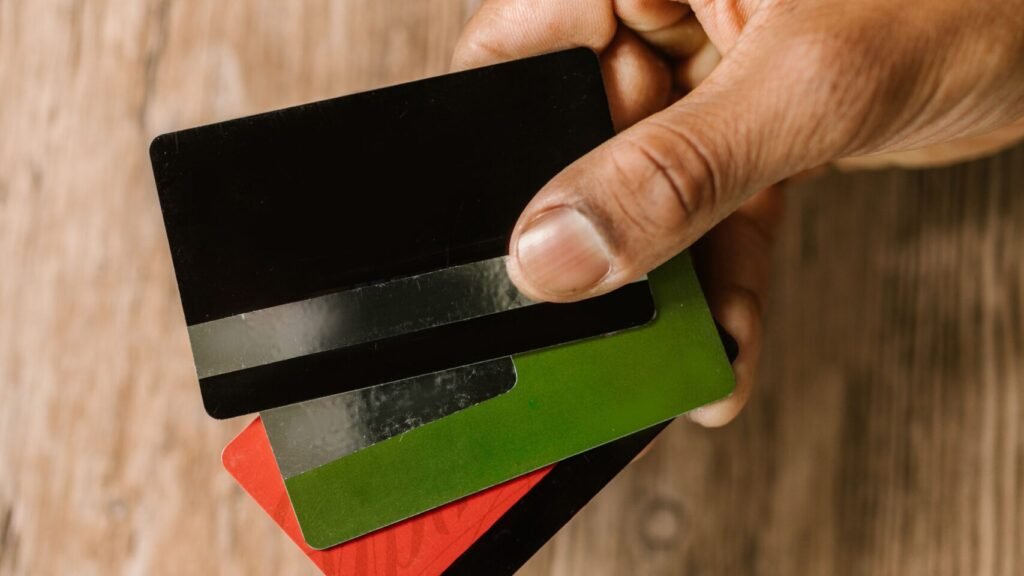
A replacement debit card commonly arrives in three to seven days, although your bank may quote business days or calendar days. Expedited delivery can be faster when it is available, and some eligible customers can use a digital version of the replacement card before the plastic one arrives.
The reason for the replacement matters. A worn card that still works in a digital wallet is inconvenient. A stolen card or an unfamiliar transaction is urgent because money may be leaving the checking account. In that situation, stopping the card and protecting the account are more important than finding the quickest shipping option.
It also helps to separate the card from the bank account. Replacing a debit card usually does not close the checking account. You may still be able to use online banking, transfer money, write checks, withdraw cash with identification at a branch, or use an eligible digital card while waiting. The available choices depend on the bank and the condition of the account.
Quick Answer
Most replacement debit cards arrive within three to seven days, but there is no universal delivery time. Current examples show how bank policies differ:
| Bank | Published replacement-card estimate |
| Bank of America | 4–6 business days by mail |
| Chase | 3–5 days |
| Wells Fargo | 5–7 calendar days |
These are the banks’ published estimates as of August 2026, not guarantees for every account or address. Mail delays, weekends, holidays, address questions, fraud concerns, international delivery, and special card designs can add time.
Expedited shipping may reduce the wait to one or two business days at some institutions, but availability and fees vary. A bank with instant-issue equipment may print a card at a participating branch, although this service should never be assumed without calling that location first.
If your card is lost, stolen, or showing unauthorized activity, report it immediately. Do not wait to see how long standard delivery takes. Federal protections for unauthorized debit-card transfers depend partly on how quickly the loss or error is reported.
Average Replacement Debit Card Timeline
The following ranges are useful for planning, but your bank’s confirmation screen or representative should provide the estimate that applies to your request.
| Replacement method | Reasonable planning range | What to confirm |
| Standard domestic mail | 3–10 days | Calendar or business days, tracking, and mailing address |
| Expedited domestic delivery | 1–3 business days | Fee, cutoff time, weekend delivery, and eligibility |
| Participating instant-issue branch | Same day | Whether that exact branch prints permanent or temporary cards |
| Digital replacement card | Potentially immediate | Account eligibility, wallet support, and ATM availability |
| International or alternate-address delivery | Several days to two weeks or longer | Shipping method, customs, fees, and address restrictions |
| Automatic replacement for an expiring card | Often mailed before expiration | Address on file and when the old card stops working |
“Three days” can mean very different things. Three calendar days includes Saturday and Sunday. Three business days usually does not. A card requested late Friday before a Monday bank holiday may not enter production or shipping as quickly as one requested early Tuesday.
The Reason for Replacement Changes What You Should Do
The card is temporarily misplaced
If you believe the card is somewhere safe—perhaps in another purse, a desk drawer, or the car—your bank may allow you to lock it temporarily through online banking or its mobile app.
A lock can prevent many new card transactions while you search. It is not a substitute for reporting a card that is truly lost or stolen, and it may not stop every transaction. Previously authorized recurring payments, returns, account credits, or other activity may still be processed depending on the bank.
If you find the card, you may be able to unlock it. If you cannot find it promptly or see an unfamiliar transaction, report the card rather than repeatedly locking and unlocking it.
The card is lost or stolen
Contact the bank immediately through its official app, website, a statement, or another trusted source. Do not use a telephone number or link from an unexpected text claiming that your card has been found or compromised.
The bank will generally deactivate the old card and issue a replacement with new card information. Review recent and pending transactions, record the date and time of the report, and keep any confirmation number.
Prompt reporting matters because a debit card draws from deposit-account funds. Under the federal Electronic Fund Transfer Act rules described by the Consumer Financial Protection Bureau, notifying the financial institution within two business days after learning of a lost or stolen access device generally limits liability to the lesser of $50 or the unauthorized transfers that occurred before notice. Waiting beyond two business days can increase potential liability, subject to the detailed rule and the facts of the case. A bank may offer stronger contractual protection, but that does not make delay a safe choice.
You see an unauthorized transaction but still have the card
Report the transaction and follow the bank’s dispute instructions. The bank may replace the card if the card number appears compromised, but the investigation into the transaction is a separate process from printing and mailing the replacement.
Do not describe a legitimate purchase as fraud merely to make a refund move faster. If you recognize the merchant but disagree with the charge, explain exactly what happened. The correct claim path may depend on whether the transaction was unauthorized, duplicated, canceled, incorrectly processed, or part of a merchant dispute.
Federal rules also contain a 60-day statement-notice period for certain unauthorized electronic transfers. That deadline is not a reason to wait. Report unfamiliar activity as soon as it is discovered because later losses may receive less protection.
The card is damaged
A card with a cracked body, worn magnetic stripe, or unreliable chip may qualify for a routine replacement. Ask whether the old card will stop working immediately or remain active until the new one is activated.
That answer matters if the card is still your only way to buy groceries or withdraw cash. Banks handle damaged-card replacements differently, so do not destroy the old card until the bank tells you it has been deactivated or the replacement is ready.
The card is expiring
Banks commonly send a renewal card automatically before the expiration date, provided the account remains eligible and the mailing address is current. This is not necessarily handled like an emergency replacement.
Check the month and year printed on the card and the issuer’s instructions. If the expiration month is approaching and no replacement has arrived, contact the bank rather than requesting several duplicate cards online.
An ATM kept the card
Contact both the ATM operator and your bank. A branch employee may not be permitted to return a retained card, even when the ATM is attached to the branch. For security, the bank may cancel it and issue another.
If the ATM belongs to another institution or is in a retail location, do not assume someone will mail the card back. Lock or report the card promptly and follow your issuer’s instructions.
The Four Parts of the Waiting Time
The delivery estimate is not just postal travel. Several separate stages can occur.
1. Reporting and identity verification
The bank must confirm that the request is legitimate. You may need to sign in securely, enter a one-time code, answer account questions, or speak with a representative.
Recent address changes, a locked online account, unusual device activity, or an inability to receive verification messages can extend this stage. These checks can feel inconvenient when the card is missing, but they help prevent a stranger from redirecting a replacement card.
2. Card creation
The institution assigns the appropriate card number, expiration date, security code, and account relationship. The physical card must then be produced and prepared for mailing.
Some branches have instant-issue equipment; many do not. Even within one banking company, only selected locations may offer it. A same-day option may also issue a different card design or have restrictions that a standard mailed card does not.
3. Shipping
Standard mail is usually the longest visible part of the process. Expedited delivery may be available, but ask whether “overnight” means the next business day after production or the next day after the request.
Weather, incorrect addresses, apartment access, postal holidays, and carrier delays can change the arrival date. Tracking may not be provided for ordinary mail.
4. Activation and account cleanup
Receiving the envelope is not always the finish line. You may need to activate the card, confirm or establish a PIN, add the replacement to a digital wallet, and update certain recurring payments.
The card may work immediately after activation, but a declined first purchase could result from an incorrect PIN, a merchant problem, a fraud-prevention alert, or a delay in wallet provisioning—not necessarily failed activation.
How Current Bank Timelines Compare
Published policies are useful examples because they show why one generic promise would be misleading.
Bank of America
Bank of America says new or replacement debit cards can take four to six business days to arrive by mail. It also offers an eligible digital version through its mobile app that may be used while the physical card is in transit. The bank notes that not every customer or account is eligible.
Chase
Chase says a replacement card generally arrives within three to five days. Eligible customers may be able to add a new or recently replaced card to a supported digital wallet through the Chase app and begin making supported purchases before the plastic card arrives.
Wells Fargo
Wells Fargo says a new or replacement debit card should arrive within five to seven calendar days. Its guidance also states that a replacement can generally continue using the current PIN, although customers should follow the instructions provided with their own card.
These examples should be labeled with their dates in an article because banks can change delivery estimates, fees, eligibility, and digital features. They also demonstrate why “business days” and “calendar days” should not be used interchangeably.
Can You Get a Replacement Debit Card the Same Day?
Possibly, but same-day printing is not a standard service at every bank or branch.
Before traveling to a branch, call and ask:
- Does this location print debit cards?
- Is the card permanent or temporary?
- Is same-day issuance available for my account type?
- What identification must I bring?
- Is there a fee?
- Will the card number differ from the mailed replacement?
- Will requesting a branch card cancel one already being mailed?
Do not rely on an old online review that says a branch printed a card several years ago. Equipment and policies change.
Credit unions and community banks may offer instant-issue cards even when a large national bank does not, and the reverse can also be true. The exact institution and location matter more than the size of the bank.
Is Expedited Shipping Worth It?
Expedited shipping can be useful when the physical card is essential for travel, cash access, or a purchase that cannot wait. It may be unnecessary if the bank provides an eligible digital card and your immediate needs can be handled through a wallet, bank transfer, check, or branch.
Ask the bank to state:
- The promised or estimated delivery date
- Whether the estimate begins today or after card production
- The shipping fee
- Whether the fee can be waived because of fraud or another circumstance
- Whether Saturday delivery is included
- Whether tracking will be provided
- What happens if the expedited card misses the estimate
A paid one-to-two-day option requested after the day’s cutoff may not arrive sooner than a standard card already in production. If another card has already been ordered, confirm whether a second request would cancel the first and create more delay.
Can You Use a Digital Card While Waiting?
Some banks let eligible customers use a digital version of a new or replacement debit card before the physical card arrives. This may appear inside the banking app or be available to add directly to Apple Pay, Google Wallet, Samsung Wallet, or another supported service.
This is not guaranteed. Availability can depend on:
- The bank
- The account and card type
- The reason for replacement
- Identity-verification status
- The phone and wallet service
- Whether the replacement card has already been created
- Whether the merchant or ATM accepts that wallet
A digital wallet can help with contactless store purchases and online checkout. It does not solve every problem. A business may not accept contactless payment, an ATM may not support cardless access, and a hotel or rental company may require a physical card.
Use only the bank’s official app to reveal or add a digital card. Never enter online-banking credentials on a website reached through an unsolicited message promising immediate access to the replacement.
How to Get Cash Before the New Card Arrives
Losing the debit card does not usually eliminate access to the checking account, although a fraud-related restriction on the entire account can change what is available.
Possible options include:
Withdraw cash at a branch
A teller may allow an account withdrawal after verifying identity. Bring current government-issued identification and any information the bank requests. Branch hours and identification policies apply.
Use a supported cardless ATM
Some bank apps and digital cards can create access for participating ATMs. This is institution-specific. Confirm the exact procedure inside the official app before going to the ATM.
Write a check
If the account includes checks and the recipient accepts them, the debit card is not required. Make sure sufficient available funds remain, especially if suspicious transactions are being investigated.
Transfer money to another account
Online banking may allow a transfer to another account you control. Transfer limits, verification, holds, and delivery time still apply. Do not send money to a stranger who offers to “help” convert funds into cash.
Use a digital wallet for purchases
If the replacement is eligible, paying with the digital version can preserve cash for places that require it. Confirm that the new digital credentials—not the canceled card—are active.
If the bank has restricted the account because of suspected account takeover, some or all of these options may be unavailable until identity is confirmed. That is different from simply canceling one card.
Will the Card Number, PIN, or Bank Account Number Change?
Card number
A replacement for loss, theft, or suspected compromise commonly has a new debit-card number. A routine replacement for damage or expiration may be handled differently. Ask the issuer rather than assuming.
Expiration date and security code
The expiration date and security code generally change when a new physical card is produced. Even when the long card number remains the same, these changes can affect stored payment information.
PIN
Some banks allow the existing PIN to continue; others ask the customer to select or receive another. Follow the instructions included with the replacement. Do not write the PIN on the card or keep it in the same wallet.
Checking-account number and routing number
Replacing the debit card usually does not change the underlying checking-account number or the bank’s routing number. Direct deposits and ordinary ACH withdrawals tied to the checking account generally continue.
If the bank believes the checking account itself is compromised, it may close that account and open another. That is a much larger change and can require updating payroll, benefits, automatic withdrawals, checks, and linked accounts.
What Happens to Recurring Payments?
Subscriptions and recurring merchants may be connected to the debit-card number rather than the checking-account number. A replacement can therefore require updates.
Make a list of services such as:
- Utilities
- Insurance
- Mobile phone service
- Streaming subscriptions
- Memberships
- Delivery services
- Online retailers
- Cloud storage
- App-store accounts
- Travel accounts
Some payment networks and issuers participate in services that provide updated card credentials to eligible merchants. This can allow certain recurring payments to continue automatically. It is not safe to assume that every merchant will update—or that every canceled-card payment will stop.
Check essential bills individually. Update the information when the merchant requests it, watch for failed-payment notices, and review the bank account for charges you no longer authorize.
If the card was replaced because a particular merchant should no longer charge it, tell the bank about the issue. Replacing the number alone may not resolve a valid recurring authorization or contractual billing dispute.
What If the Mailing Address Is Wrong?
Check the address before completing the request. A forwarding order with the postal service may not redirect a bank card, and some issuers will not mail cards to an address that has not been verified on the account.
If you recently moved:
- Update the address through the bank’s approved process.
- Confirm that the change has taken effect.
- Ask whether a recent address change creates a security waiting period.
- Verify the exact address shown for the replacement order.
- Record the expected delivery date.
Do not enter a temporary address simply because it is more convenient. The bank may require documentation or may allow delivery to a travel location only through a representative.
Getting a Replacement While Traveling
A missing card away from home creates two separate needs: preventing unauthorized use and obtaining money safely.
Contact the bank through its official international or collect-call instructions. Ask about:
- Expedited delivery to the current location
- Delivery restrictions at hotels or temporary addresses
- An emergency cash option
- Digital-card or wallet eligibility
- Cardless ATM access
- Foreign shipping charges
- Whether the old card has been fully blocked
- How long the replacement remains in transit
Visa or Mastercard branding does not mean every bank offers the same emergency service. The bank or credit union that issued the card controls the account and replacement request.
If a passport or identification was stolen with the card, address those documents separately. A bank-card replacement does not protect the identity information found in the rest of the wallet.
What to Do Immediately When a Card Is Lost or Stolen
1. Lock the card if that is the fastest available step
Use the official app to prevent many new transactions while contacting the bank. If theft or fraud is suspected, continue to the formal report; do not stop at the temporary lock.
2. Report the loss to the bank
Use a trusted telephone number or secure in-app process. Explain whether the card is lost, stolen, retained by an ATM, or still in your possession while unfamiliar charges appear.
3. Review recent activity
Look at posted and pending transactions. Write down anything unfamiliar, including the date, amount, and merchant description. Remember that a merchant’s statement name can differ from the storefront name, so ask the bank when uncertain.
4. Secure online access
If there is any sign that someone also obtained the online-banking password, email access, PIN, or phone, tell the bank. Change compromised passwords from a trusted device and review contact information and transfer recipients.
5. Record the report
Save the confirmation number, representative’s name when provided, date, time, replacement estimate, and any dispute instructions. Follow up in writing if the bank requests it.
6. Monitor the account
Continue checking activity after the card is canceled. A canceled piece of plastic does not automatically resolve previously authorized payments, account-number transactions, or a broader account takeover.
Fraud Investigation and Card Delivery Are Different Timelines
It is possible to receive the replacement card before a disputed transaction is resolved. It is also possible for provisional credit or an investigation to proceed while the physical card is still in the mail.
The bank may ask:
- Whether the card was in your possession
- When you first noticed the loss or transaction
- Whether anyone else had permission to use the card
- Whether the transaction was PIN-based, online, recurring, or contactless
- Whether you contacted the merchant
- Whether other personal information was compromised
Answer accurately and keep supporting records. Do not treat the replacement-card estimate as the deadline for the fraud claim. The dispute process has its own notices, evidence requests, and federal or contractual timeframes.
What to Do When the Replacement Card Arrives
Inspect the envelope
Make sure it was not opened or damaged. Contact the bank through a trusted number if anything looks suspicious.
Activate the card
Use the official app, secure online banking, the authorized telephone number, or another method supplied by the issuer. Avoid searching for a generic “card activation” website.
Confirm the PIN
Determine whether the existing PIN continues or a new one is required. Test the card with a modest purchase or a bank ATM rather than waiting until an urgent transaction.
Update the digital wallet
The bank may update wallet credentials automatically or require the replacement to be added again. Remove obsolete versions only after confirming the new card is ready.
Review recurring payments
Update important merchants and watch for declines. Pay special attention to insurance, utilities, communications, and anything that could cause a serious interruption.
Destroy the old card
Once the bank confirms it is no longer valid, cut through the chip and magnetic stripe. If the bank provides disposal instructions for a metal or special card, follow them rather than trying to cut it with household scissors.
Check the account again
Review the balance, pending activity, alerts, and contact information. A successful card activation does not prove that every fraud or billing issue has been resolved.
What If the Replacement Card Does Not Arrive?
Contact the bank when the quoted delivery period has passed. Do not keep ordering replacements without speaking to someone; each new request may cancel the card already in transit.
Ask the bank to verify:
- The date the card was ordered
- The address used
- Whether it was returned
- Whether tracking exists
- Whether another card request canceled it
- Whether the account has a security restriction
- The next safe delivery method
If the card was mailed to the wrong or an insecure address, tell the bank immediately so that it can be invalidated. Do not merely request another copy of the same active credentials.
Consider delivery problems beyond the bank: an outdated apartment number, a full mailbox, building access, a change of address, or mail theft. Use the institution’s secure process before giving any new address information.
How to Reduce Disruption While Waiting
Keep a second lawful payment method
When practical, maintain another payment option that is not tied to the same card. This could be a credit card paid in full according to your plan, a second account, checks, or a small amount of emergency cash.
Turn on account alerts
Transaction, balance, ATM, and card-not-present alerts can reveal misuse quickly. Alerts are useful but do not replace regular account review because notifications can be delayed or filtered.
Keep contact information current
The bank needs a reliable phone number, email address, and mailing address for verification and delivery. Update changes through the official website, app, branch, or telephone number.
Store the bank’s trusted contact information
Save the official number somewhere other than the physical card. If the wallet disappears, the number printed on the back disappears with it.
Know which bills use the card
A simple list of recurring card payments makes replacement much easier. Do not store the full card number in an unsecured note.
Related Articles
If you are waiting for a bank card, organizing payments, or changing how you manage an account, these related guides may also help:
- How Long Does It Take to Get a Refund on a Debit Card?
- How Long Does It Take to Activate a Credit Card?
- How Long Does It Take to Transfer Money Between Banks?
- How Long Does It Take to Receive Direct Deposit?
- How Long Does It Take to Close a Bank Account?
Frequently Asked Questions
Can you get a replacement debit card the same day?
Sometimes. Certain banks and credit unions print cards at participating branches. Because not every location offers the service, call ahead and ask what identification to bring.
How long does standard replacement-card delivery take?
Standard delivery commonly takes about 3 to 10 business days. However, the bank’s own estimate controls because some institutions quote calendar days, use different carriers, or require additional verification.
Can a replacement debit card be delivered overnight?
Possibly. Some issuers offer expedited or emergency delivery, sometimes for a fee. Ask for the expected arrival date and tracking details before paying.
What should you do if a debit card is lost or stolen?
Lock the card if appropriate, report it to the issuer immediately, review the account, and separately report any unauthorized transactions. Then, confirm the replacement address and ask about temporary access to money.
Can you still use the bank account while waiting?
Usually, yes. Online banking, ACH transfers, checks, bill pay, teller service, and certain cardless ATMs may remain available. Still, the options depend on the bank and whether the deposit account itself has been restricted or changed.
Can you use a digital wallet before the physical card arrives?
Some banks let eligible customers add a new or replacement debit card to a supported digital wallet. Nevertheless, eligibility, device compatibility, ATM use, and merchant acceptance vary.
Does replacing a debit card change the checking account number?
Usually, replacing only the card does not change the underlying checking account number. However, the bank may change the account if it believes the deposit account itself is compromised. Confirm before updating direct deposit or ACH instructions.
Will the replacement card have a new number?
Often, yes, when the original was lost, stolen, or compromised. A damaged or expiring card may keep the same number but receive a new expiration date and security code. The issuer’s policy determines the result.
Will the PIN stay the same?
It may. Some issuers keep the current PIN for a replacement, while others require a new PIN or send it separately. Follow the activation notice and never send a PIN by email or text.
Do recurring payments update automatically?
Some participating merchants may receive updated card details through an account-updater service. However, not every payment updates. Therefore, review subscriptions and essential bills after the new card arrives.
Will direct deposit stop when the debit card is replaced?
Normally, no. Direct deposit usually uses the checking account and routing numbers. If the bank also changes the deposit account number, then the payer will need updated instructions.
Can a bank charge for a replacement?
Yes, depending on the account agreement and fee schedule. Standard replacement may be free, while rush shipping or repeated replacements may cost extra.
What if the missing card is found after a replacement is ordered?
Do not assume it can be used again. Once a bank closes the old credentials, the card normally remains unusable. Confirm with the issuer, and destroy the old card if instructed.
Does a new card resolve a fraud claim?
No. The replacement-card process prevents future use of the old credentials, while the claim process reviews disputed transactions. Keep the claim number and meet every requested deadline even after the new card arrives.
What should you do if the replacement never arrives?
Contact the bank after the quoted delivery window. Verify the address and order status, and ask the issuer to close the missing replacement credentials before another card is mailed.
Are business debit cards protected by the same rules?
Not necessarily. Regulation E generally focuses on consumer accounts, and commercial account agreements may provide different rights and deadlines. A business customer should report the problem immediately and review the institution’s business-account terms.
Quick Summary
A replacement debit card commonly arrives within three to seven days, but each bank sets its own production, shipping, and verification process. Bank of America currently quotes four to six business days, Chase three to five days, and Wells Fargo five to seven calendar days. Those examples show why the bank’s own estimate is more reliable than a universal promise.
If the card is lost, stolen, or connected to an unauthorized transaction, report it immediately. A temporary lock is helpful while searching for a merely misplaced card, but it should not delay a formal report when theft or fraud is suspected.
While waiting, ask about an eligible digital card, branch withdrawal, cardless ATM, checks, transfers, or expedited delivery. When the new card arrives, activate it, confirm the PIN, update important recurring payments, review digital wallets, and continue monitoring the account.
Sources & References
- Consumer Financial Protection Bureau — Unauthorized Transactions and Lost Debit Cards
- Consumer Financial Protection Bureau — Regulation E, Section 1005.6: Liability of Consumer for Unauthorized Transfers
- Consumer Financial Protection Bureau — Regulation E, Section 1005.11: Procedures for Resolving Errors
- Federal Deposit Insurance Corporation — Credit and Debit Card Tips
- National Credit Union Administration — Electronic Fund Transfer Act and Regulation E Guide
- Bank of America — Debit Card Frequently Asked Questions
- Bank of America — Request and Replace Your Debit Card
- Chase — Lost or Stolen Card Replacement Information
- Chase — Spend Instantly With a Digital Wallet
- Wells Fargo — Debit Card Questions
- Wells Fargo — Understanding the Debit Card Claims Process
- Wells Fargo — Replacement Card and Contactless Card Information
- Visa — Lost or Stolen Card Assistance
Editorial Review
Reviewed by Claire Bennett, Managing Editor
Last reviewed: August 2026
Quick Answer Guide publishes practical, research-based answers to common questions about money, technology, health, travel, home improvement, and everyday life. Content is reviewed using official government resources, educational institutions, industry publications, and other authoritative sources when appropriate. Articles are updated periodically to improve accuracy and usefulness.