
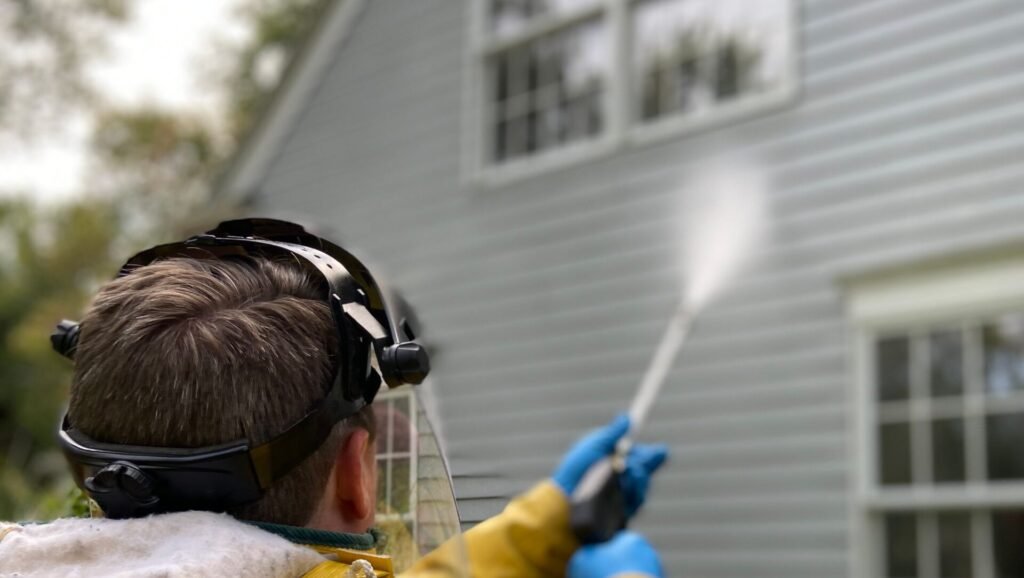
If you are wondering how long it takes to pressure wash a house, the answer depends on several factors, including the size of the home, the condition of the exterior surfaces, and the type of equipment being used. While some small homes can be cleaned in only a couple of hours, larger houses with multiple stories, heavy dirt buildup, or extensive mildew may require most of a day to complete.
Pressure washing is a popular way to remove dirt, mold, algae, mildew, and other debris from siding, decks, fences, driveways, and other outdoor surfaces. Understanding what affects cleaning times can help homeowners plan projects more effectively and determine whether a do-it-yourself approach or professional service is the better option.
Quick Answer
Pressure washing a house typically takes between 1 and 6 hours, although larger homes, heavily soiled surfaces, and complex layouts may require additional time. Smaller homes with light dirt buildup often clean relatively quickly, while multi-story houses and surfaces with mold, mildew, or stubborn stains frequently take longer.
The amount of time required may depend on:
• home size
* surface condition
• mold and mildew buildup
* weather conditions
• equipment type
* accessibility of the property
• preparation and setup time
Although the actual washing process may only take a few hours, setup, stain treatment, and drying time can extend the overall project timeline.
Typical House Pressure Washing Timeline
Typical pressure washing timelines often include:
- Small homes: Usually 1–2 hours
- Medium-sized homes: Often 2–4 hours
- Large or multi-story houses: 4–6 hours or longer
- Drying time afterward: Several additional hours may be needed
Homes with heavy dirt, algae, or mildew buildup often require extra cleaning time and multiple passes.
What Takes the Longest During Pressure Washing?
Many homeowners are surprised that setup and detailed cleaning often take longer than the actual spraying itself.
The most time-consuming parts are often:
- moving outdoor furniture
- connecting hoses and equipment
- pre-treating stains
- cleaning detailed trim areas
- washing decks, fences, and sidewalks
- removing mildew or algae buildup
Large homes with multiple stories or difficult access areas may also require additional setup time and ladder work.
What Can Delay Pressure Washing?
Several factors can slow down pressure washing and increase the amount of time required.
Heavy Dirt and Mold
Pressure washing often takes longer when surfaces contain:
- mildew
- algae
- mud buildup
- grease stains
- peeling paint
Some stains may require special cleaning solutions or repeated treatment before surfaces are fully cleaned.
Large or Complex Home Layouts
Multiple stories, decks, fences, porches, and decorative trim often increase cleaning time considerably.
Weather Conditions
Rain, wind, humidity, and extreme temperatures may delay both cleaning and drying.
Water Pressure and Equipment
Lower-powered homeowner pressure washers usually clean much more slowly than commercial-grade professional equipment.
Delicate Surfaces
Certain siding materials, painted areas, and older wood surfaces may require slower cleaning methods to avoid damage.
Why Some Homes Take Much Longer to Clean
Older homes or neglected exterior surfaces often require much more preparation and cleaning effort.
Pressure washing may take significantly longer when:
- mold or mildew has built up for years
- surfaces have not been cleaned regularly
- landscaping limits access
- paint is peeling
- siding has deep staining
Many homeowners also underestimate how much time is spent rinsing surfaces and waiting for cleaning products to work properly.
Ways to Pressure Wash a House Faster
Pressure washing projects usually move more smoothly when preparation is completed ahead of time.
Helpful ways to reduce cleaning time include:
- moving outdoor furniture beforehand
- trimming plants near the home
- pre-treating heavy stains
- using the correct pressure settings
- working during dry weather
- cleaning surfaces regularly to prevent buildup
Many homeowners also find that professional pressure washers clean much faster than standard homeowner machines.
Should You Pressure Wash a House Before Painting?
In many situations, pressure washing is an important step before painting a home’s exterior. Dirt, mildew, mold, pollen, and loose debris can prevent paint from adhering properly to the surface.
Pressure washing helps create a cleaner surface and may improve the durability and appearance of a new paint job. However, homeowners should allow sufficient drying time before painting. Depending on weather conditions and siding materials, surfaces may need one or more days to dry completely before paint is applied.
Proper preparation often helps prevent peeling, blistering, and premature paint failure.
In many situations, pressure washing is an important step before painting a home’s exterior. Dirt, mildew, mold, pollen, and loose debris can prevent paint from adhering properly to the surface.
Pressure washing helps create a cleaner surface and may improve the durability and appearance of a new paint job. However, homeowners should allow sufficient drying time before painting. Depending on weather conditions and siding materials, surfaces may need one or more days to dry completely before paint is applied.
Proper preparation often helps prevent peeling, blistering, and premature paint failure.
How Often Should You Pressure Wash a House?
The ideal pressure washing schedule depends on climate, landscaping, and the amount of dirt and moisture exposure around the home.
Many homeowners pressure wash:
• once per year
* before painting projects
• after severe weather
* when mildew or algae becomes visible
• before listing a home for sale
Homes located in humid climates or heavily shaded areas may require more frequent cleaning because mold, mildew, and algae often develop more quickly.
Pressure Washing vs Soft Washing
Not every exterior surface should be cleaned using high-pressure water.
Soft washing uses lower pressure combined with specialized cleaning solutions to remove dirt, algae, mold, and mildew from delicate surfaces. This method is commonly used on:
• roof shingles
* painted surfaces
• vinyl siding
* stucco
• older exterior materials
Choosing the correct cleaning method may help prevent unnecessary damage while still producing effective results.
How Much Does Professional Pressure Washing Cost?
Professional pressure washing costs vary depending on home size, location, accessibility, and the condition of the surfaces being cleaned.
Companies may charge based on:
• square footage
* number of stories
• type of siding
* level of staining
• additional services requested
Although costs vary widely, many homeowners choose professional cleaning because it can save time and reduce the risk of accidental damage.
How Long Does It Take to Pressure Wash a Roof?
Roof cleaning often takes longer than many homeowners expect because additional safety precautions and specialized cleaning methods may be required. Depending on the size, pitch, and condition of the roof, cleaning may take several hours or longer.
Many professionals use soft washing rather than traditional high-pressure washing on roofing materials. Soft washing combines lower water pressure with cleaning solutions designed to remove algae, mold, mildew, and stains without damaging shingles or roofing materials.
Homes with significant algae or black streak buildup may require additional treatment time before the roof can be fully cleaned.
Many homeowners also view roof cleaning as preventative maintenance. By removing algae, mold, mildew, and accumulated debris, regular cleaning may help reduce moisture retention and surface deterioration. As a result, proper roof maintenance may contribute to a longer-lasting roof and help preserve the home’s appearance and value.
How Long Does It Take to Pressure Wash a Screen Enclosure?
In areas where screened pool enclosures and lanais are common, cleaning the screen structure can add considerable time to an exterior cleaning project. Depending on the size of the enclosure and the amount of dirt, pollen, mildew, or algae buildup, cleaning may take anywhere from one to several additional hours.
Screen enclosures often contain numerous frames, corners, and hard-to-reach areas that require careful attention. In addition, lower-pressure cleaning methods are frequently used to help protect delicate screens from damage.
Regular cleaning can help maintain appearance and prevent heavy buildup from becoming more difficult to remove.
Why Do Many Homeowners Pressure Wash Sidewalks and Driveways Regularly?
Many homeowners’ associations and community guidelines encourage regular cleaning of sidewalks, driveways, and other visible exterior surfaces. Over time, dirt, algae, mildew, tire marks, and stains can accumulate and affect a property’s appearance.
Annual or periodic pressure washing may help:
• improve curb appeal
* remove slippery algae buildup
• maintain community standards
* prevent permanent staining
• extend surface appearance
Because sidewalks and driveways are exposed to constant weather and foot traffic, they often require cleaning more frequently than some other exterior surfaces.
Related Articles
If you are working on outdoor cleaning or home maintenance projects, these related guides may also help:
- How Long Does It Take to Clean a House?
- How Long Does It Take to Paint a Room?
- How Long Does It Take to Build a Deck?
- How Long Does It Take to Install a Fence?
- How Long Does It Take to Mow a Lawn?
Frequently Asked Questions
Here are some common questions homeowners ask about pressure washing and exterior cleaning:
Why does pressure washing take so long?
Large homes, heavy dirt buildup, and detailed surfaces may increase cleaning time.
Can you pressure wash a house yourself?
Many homeowners do, although improper pressure settings may damage surfaces.
Does weather affect pressure washing?
Yes. Rain and high humidity may slow cleaning and drying.
How long does a house take to dry after pressure washing?
Drying often takes several hours depending on weather conditions.
Can pressure washing remove mold and mildew?
Yes. Proper cleaning solutions and pressure washing often remove surface buildup.
Can pressure washing damage siding?
Yes. Using excessive pressure or incorrect spray settings may damage siding, paint, wood, or trim.
Is professional pressure washing worth it?
For large homes or heavy buildup, professional equipment and experience may save significant time and produce better results.
Should you pressure wash before painting a house?
Usually yes. Cleaning dirt, mildew, and peeling paint helps new paint adhere more effectively.
Is professional pressure washing faster?
Usually yes. Professional equipment often cleans more efficiently.
Can pressure washing increase curb appeal?
Yes. Removing dirt, mildew, algae, and stains often improves the appearance of a home’s exterior.
What time of year is best for pressure washing?
Many homeowners prefer mild weather conditions during spring or fall, although suitable conditions vary by region.
Can pressure washing damage windows?
Improper pressure settings or spray techniques may damage windows, seals, screens, or surrounding trim.
Should plants be protected during pressure washing?
Yes. Covering sensitive plants and rinsing landscaping beforehand may help reduce exposure to cleaning solutions.
Quick Summary
Pressure washing a house typically takes between 1 and 6 hours, although larger homes, heavy dirt buildup, mold, mildew, and complex layouts may increase the amount of time required. Factors such as home size, weather conditions, equipment quality, and surface condition can all affect how quickly the project can be completed.
While smaller homes with light dirt buildup may be cleaned in just a couple of hours, larger multi-story houses often require additional preparation, cleaning time, and drying time. Planning ahead, using the proper cleaning method, and addressing stains early can help make the pressure washing process more efficient and effective.
Sources & References
- Pressure Washers of North America
- International Window Cleaning Association
- National Association of Home Builders
- United States Environmental Protection Agency
Editorial Review
Reviewed by the Quick Answer Guide Editorial Team
Last reviewed: June 2026
Quick Answer Guide publishes practical, research-based answers to common questions about money, technology, health, travel, home improvement, and everyday life. Content is reviewed using official government resources, educational institutions, industry publications, and other authoritative sources when appropriate. Articles are updated periodically to improve accuracy and usefulness.