
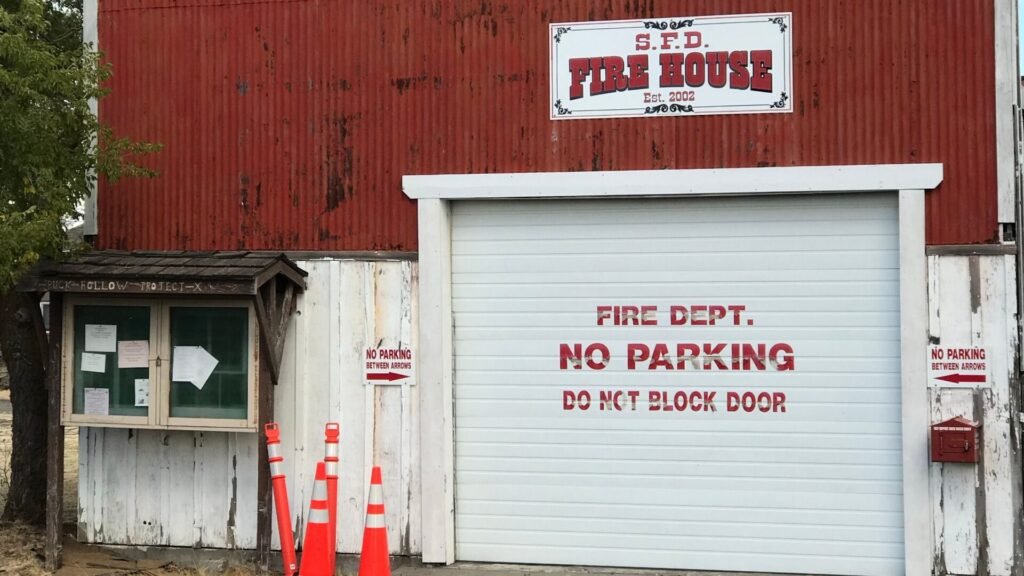
Many homeowners wonder how long it takes to install a garage door when replacing an old door, building a new garage, or upgrading to an insulated or smart garage door system. While some standard replacements can be completed in only a few hours, larger custom doors, new openers, electrical work, or structural repairs may significantly extend the installation time. The total time depends on the door size, the type of garage door, whether an opener is installed, the condition of the existing garage, and whether the project is completed by a professional or as a DIY installation.
Quick Answer
Installing a garage door usually takes 3 to 8 hours for a standard replacement, although first-time installations, custom garage doors, or projects that include a new garage door opener may take longer. Total installation time depends on the door size and type, whether the project involves new construction or replacing an existing door, spring installation and adjustment, electrical or wiring requirements, and whether the work is completed by a professional installer or as a DIY project.
Average Garage Door Installation Time
Typical garage door installation timelines include:
- Single-car garage door replacement: 3 to 5 hours
- Double-car garage door replacement: 4 to 6 hours
- Standard garage door replacement: 3 to 6 hours
- Door only (existing opener reused): 3 to 5 hours
- Door with new garage door opener: 4 to 8 hours
- Door with smart garage door opener: 5 to 8 hours
- New garage door opener only: 2 to 4 hours
- New construction installation: 4 to 8 hours or longer
- Custom or oversized garage doors: 6 to 8 hours or longer
- Old garage door removal only: 30 minutes to 2 hours
- Spring replacement: 1 to 2 hours (when performed separately)
- Electrical upgrades or repairs: Additional time may be required
Simple replacements often install faster than first-time garage door installations, which may require additional framing, electrical work, or opener setup.
What Can Delay Garage Door Installation?
Several factors may slow down garage door installation, from removing the old door to making adjustments that ensure the new system operates safely and smoothly.
Old Door Removal
Removing an existing garage door may add time, especially if it is damaged, unusually heavy, or has worn springs and hardware that require extra care during removal and disposal.
Heavy Door Assembly
Different garage door materials require different amounts of assembly and handling. Insulated, solid wood, glass, and oversized doors are generally heavier than standard steel or aluminum doors and may require additional labor to install safely.
Spring Installation
Garage door springs must be installed and adjusted correctly to balance the weight of the door. Torsion springs are under significant tension and require careful installation and testing before the door can be operated safely.
Track Alignment
Garage door tracks must be level, plumb, and properly aligned. Even small alignment issues may require adjustments to ensure the door opens and closes smoothly without binding or excessive wear.
Opener Setup
Installing a garage door opener often requires additional time for:
- opener assembly
- electrical connections
- safety sensor alignment
- remote control programming
- wireless keypad setup
- Wi-Fi or smart home connection
- vehicle HomeLink® programming
- travel limit and force adjustments
Electrical Work
Some installations require electrical work before the opener can be connected. This may include installing a dedicated ceiling outlet, running new wiring, or upgrading existing electrical components.
Structural Repairs
Damaged framing, deteriorated wood, uneven garage floors, or bent tracks may need repair before the new garage door can be installed properly.
Weather Conditions
Rain, high winds, or severe weather may delay installation, particularly when the garage remains open for extended periods or installers must transport large door panels outdoors.
Custom Door Orders
Custom-sized garage doors, specialty finishes, decorative glass, or insulated models often require longer manufacturing times before installation can be scheduled.
Delivery Delays
Backordered doors, replacement parts, damaged shipments, or missing hardware may postpone installation until the necessary materials arrive.
How to Install a Garage Door Faster
A little preparation before installation can help the project go more smoothly and reduce unexpected delays. Before work begins, make sure the garage is accessible, the correct door has been ordered, and all necessary materials are available.
You may help speed up installation by:
- clearing vehicles, storage items, and other obstacles from the garage beforehand
- confirming all garage door measurements before ordering
- ordering the garage door, opener, and hardware well in advance
- checking that a nearby electrical outlet is available for the garage door opener
- scheduling installation during favorable weather when possible
- verifying that all parts and hardware have been delivered before installation day
- ensuring someone is available to provide access to the garage if needed
- keeping children and pets away from the work area until installation is complete
Taking a few minutes to prepare the garage before installation can help reduce delays, improve safety, and allow installers to complete the project more efficiently.
Types of Garage Doors
Different types of garage doors require different installation methods and amounts of labor. The door’s size, weight, construction, and hardware all affect how long installation takes.
Sectional Garage Doors
Sectional garage doors are the most common residential style. They consist of several horizontal panels connected by hinges that roll along overhead tracks, making installation relatively straightforward for experienced installers. They are available in many materials and insulation levels, making them suitable for most homes and climates.
Steel Garage Doors
Steel garage doors are among the most common and are generally the quickest to install. They are durable, relatively lightweight, and available in many styles, making them a popular choice for residential homes. Many steel doors are also available with insulated cores to improve energy efficiency and reduce outside noise.
Aluminum Garage Doors
Aluminum garage doors are lighter than steel, making them easier to handle during installation. They resist rust and corrosion, making them a good choice in coastal areas, although they may dent more easily. Their lightweight design may also place less strain on the garage door opener over time.
Wood Garage Doors
Wood garage doors are heavier than most other types and often require additional time for installation. Their weight may require stronger hardware and careful balancing to ensure smooth operation. Many homeowners choose wood doors for their natural appearance and ability to complement traditional or custom homes.
Composite Garage Doors
Composite garage doors combine wood fibers with synthetic materials to provide the appearance of wood with reduced maintenance. Installation is generally similar to wood doors but may vary depending on the manufacturer. They are often more resistant to moisture, warping, and insect damage than solid wood doors.
Fiberglass Garage Doors
Fiberglass garage doors are lightweight and resistant to moisture and corrosion. They often install similarly to steel doors but require careful handling to avoid cracking or other damage. They can be a practical choice in humid climates where rust and moisture are common concerns.
Glass Garage Doors
Glass garage doors feature large glass panels supported by aluminum or steel frames. Because of their weight and fragile materials, installers typically spend additional time aligning and securing these doors. They are popular in modern home designs because they allow natural light into the garage while creating a contemporary appearance.
Roll-Up Garage Doors
Roll-up garage doors use narrow slats that coil above the opening. They are commonly installed in commercial buildings but are also available for some residential garages. Installation requires careful alignment of the rolling mechanism. Their compact design makes them useful where overhead ceiling space is limited.
Tilt-Up Garage Doors
Tilt-up garage doors operate as a single solid panel that pivots outward before lifting into the garage. Their unique hardware and spring systems may require additional adjustments during installation. Because the door swings outward during operation, extra driveway clearance is needed.
Carriage House Garage Doors
Carriage house garage doors provide the appearance of traditional swing-out doors while typically operating like sectional doors. Decorative hardware and heavier construction may increase installation time. They are a popular choice for homeowners seeking a classic or rustic architectural style.
High-Lift Garage Doors
High-lift garage doors use specialized track systems that raise the door higher before it turns toward the ceiling. Installation requires precise measurements and is often used in garages with high ceilings or vehicle lifts. They help maximize overhead storage space and accommodate taller vehicles.
Low-Headroom Garage Doors
Low-headroom garage doors are designed for garages with limited space above the opening. Specialized track hardware allows installation where standard overhead clearance is unavailable, although setup may take additional time. These systems provide a solution for garages that cannot accommodate standard track configurations.
Insulated Garage Doors
Insulated garage doors contain foam or other insulating materials to improve energy efficiency and reduce noise. Their additional weight may require more careful handling, spring adjustments, and balancing during installation. They are often recommended for attached garages or workshops where temperature control and quieter operation are important.
Professional Installation vs DIY
Some experienced homeowners choose to install a garage door themselves, but many prefer professional installation because garage doors are heavy and their spring systems are under significant tension. The right choice depends on the type of door, your experience, and the complexity of the installation.
DIY Installation May Be Suitable If:
- You are replacing a standard single garage door.
- You have good mechanical skills and experience using power tools.
- You carefully follow the manufacturer’s installation instructions.
- You have another person available to help lift and position the door sections.
- The existing framing and garage door opening are in good condition.
- You are reusing a compatible garage door opener when appropriate.
Professional Installation Is Often Recommended If:
- The installation involves torsion springs.
- You are installing a double garage door or another oversized door.
- A new garage door opener requires electrical wiring or outlet installation.
- Structural repairs are needed before installation.
- The garage door is insulated, solid wood, or made primarily of glass.
- You are installing a custom garage door or specialized track system.
- You are unfamiliar with garage door installation or lack the required tools.
Garage Door Safety
Garage doors are among the heaviest moving objects in many homes. Torsion springs are designed to counterbalance the door’s weight and are under extremely high tension. Improper installation or adjustment can result in serious injury or property damage. Before operating a newly installed garage door, always verify that the door is properly balanced, the tracks are aligned, the photo-eye sensors function correctly, and the automatic reverse system has been tested before regular use.
Tools You’ll Typically Need
Garage door installation requires more specialized tools than many other home improvement projects. Having everything ready before you begin can help the installation go more smoothly.
- Tape measure
- Socket and wrench set
- Power drill
- Drill bits
- Screwdrivers
- Level
- Ladder
- Locking pliers or vice grips
- Clamps
- Work gloves
- Safety glasses
- Garage door hardware (typically included with the door)
- Winding bars (used only for torsion spring installation and adjustment)
Important: Winding bars are specialized tools used to safely install or adjust torsion springs. Because garage door springs are under extremely high tension, homeowners should never substitute screwdrivers or other makeshift tools for winding bars.
Should You Measure Before Ordering a Garage Door?
Yes. Taking accurate measurements before ordering a garage door helps ensure the new door fits properly and reduces the risk of installation delays or costly modifications.
Before ordering, measure the following:
- Garage door opening width
- Garage door opening height
- Headroom (the space between the top of the garage door opening and the ceiling)
- Backroom (the distance from the garage door opening to the back wall of the garage)
- Side room (the space on each side of the garage door opening for tracks and hardware)
- Opener clearance (sufficient ceiling space for the garage door opener and rail system, if installing one)
Also remember to:
- Measure twice before placing your order.
- Verify the manufacturer’s measuring instructions, as requirements may vary by door style.
- Inspect the garage opening for damaged framing or uneven surfaces that may require repairs before installation.
- Confirm whether you are replacing an existing door or installing one in new construction, as hardware requirements may differ.
Taking a few extra minutes to verify your measurements before ordering can help avoid delays, reduce installation problems, and ensure the garage door operates properly once installed.
Common Installation Mistakes
Avoid these common mistakes when installing a garage door:
- Taking incorrect measurements before ordering the garage door.
- Installing tracks that are not level, plumb, or properly aligned.
- Improperly installing or adjusting torsion or extension springs.
- Leaving bolts, brackets, or other hardware loose after installation.
- Ignoring the manufacturer’s installation instructions or hardware specifications.
- Misaligning the photo-eye safety sensors, preventing the door from operating correctly.
- Installing weather stripping or bottom seals incorrectly, allowing water, pests, or drafts to enter the garage.
- Failing to verify that there is adequate headroom, side room, and backroom for the door and track system.
- Not testing the garage door’s balance before operating the opener.
- Using incorrect fasteners or mounting hardware for the garage structure.
- Failing to tighten and inspect all hardware after the first few cycles of operation.
- Skipping final safety tests, including the automatic reverse system and photo-eye sensors.
How Long Does Garage Door Programming Take?
Programming a garage door opener is usually one of the final steps of installation. While the process is often completed within a few minutes, connecting multiple devices or smart home features may take longer.
Typical programming times include:
- Garage door remotes: 2 to 5 minutes each
- Wireless keypad: 5 to 10 minutes
- Vehicle HomeLink® system: 5 to 15 minutes
- Smartphone app and Wi-Fi setup: 10 to 30 minutes
- Complete programming and testing: 15 to 45 minutes
Programming may take longer if the garage door opener requires a firmware update, Wi-Fi connection issues occur, or multiple remotes and smart home devices must be paired.
After programming is complete, test each remote control, keypad, smartphone app, and the garage door’s safety features to ensure everything operates correctly.
Garage Door Maintenance After Installation
Proper maintenance after installation helps keep your garage door operating safely and may extend its lifespan. A few simple inspections and routine maintenance tasks can help prevent unnecessary repairs and ensure the door continues to operate smoothly.
First Inspection
After the installation is complete, inspect the garage door to verify that all hardware is secure, the tracks are aligned, and the door opens and closes smoothly. Confirm that the photo-eye sensors and automatic reverse system function correctly before regular use.
Lubrication
Apply a garage door lubricant to rollers, hinges, bearings, and springs when recommended by the manufacturer. Avoid using heavy grease unless the manufacturer specifically recommends it, as it can attract dirt and debris.
Tightening Hardware
Over time, vibration from daily use may loosen nuts, bolts, and brackets. Periodically inspect visible hardware and tighten loose fasteners as needed. Do not attempt to adjust torsion springs or other high-tension components.
Testing the Door Balance
Disconnect the automatic opener and carefully lift the garage door by hand to about halfway open. A properly balanced door should remain in place with minimal movement. If it quickly rises or falls, the springs may require professional adjustment.
Cleaning the Tracks
Keep the garage door tracks free of leaves, dirt, and other debris that could interfere with smooth operation. Avoid applying lubricant directly to the tracks unless recommended by the manufacturer.
Annual Maintenance
Inspect the garage door at least once a year for worn rollers, damaged weather seals, loose hardware, unusual noises, and signs of wear. Scheduling professional maintenance annually can help identify minor issues before they become costly repairs.
Signs It’s Time to Replace a Garage Door Instead of Repairing It
While many garage door problems can be repaired, there are times when replacing the entire door is the safer or more cost-effective option. If your garage door has multiple issues or is nearing the end of its expected lifespan, replacement may provide better reliability, improved energy efficiency, and enhanced curb appeal.
Frequent Breakdowns
If your garage door requires repeated repairs for springs, rollers, cables, or other components, replacing the door may be more economical than continuing to pay for ongoing repairs.
Damaged Panels
Large dents, cracks, rust, rot, or impact damage can weaken the garage door’s structure. In some cases, replacing individual panels is possible, but extensive damage may make a full replacement the better option.
Broken Springs
Garage door springs eventually wear out through normal use. While springs can often be replaced, an older door with multiple worn components may benefit from a complete replacement instead of repeated repairs.
Excessive Noise
Grinding, squeaking, rattling, or vibration may indicate worn hardware, poor alignment, or aging components. If maintenance and repairs do not resolve the problem, replacing the garage door system may improve both performance and noise levels.
Poor Insulation
Older garage doors often provide little insulation. Replacing them with a modern insulated door may improve energy efficiency, increase comfort in attached garages, and help reduce outside noise.
Safety Concerns
Garage doors that do not close properly, lack modern safety features, or have damaged springs, cables, or tracks may present safety hazards. Replacing an unsafe garage door can improve reliability and help protect your family.
Difficulty Finding Replacement Parts
Replacement parts may become difficult or impossible to find for older garage doors and openers. When compatible parts are no longer readily available, replacing the entire system may be the most practical solution.
Related Articles
If you’re planning other home improvement or renovation projects, these related guides may also help answer your questions:
- How Long Does It Take to Build a Deck?
- How Long Does It Take to Install Flooring?
- How Long Does It Take to Install a Fence?
- How Long Does It Take to Assemble Furniture?
- How Long Does It Take to Pressure Wash a House?
Frequently Asked Questions
Why does garage door installation take so long?
Heavy lifting, opener setup, and track alignment may increase installation time.
Can you install a garage door yourself?
Some homeowners do, although garage doors can be heavy and potentially dangerous without proper tools.
Does installing a garage door opener add time?
Yes. Wiring, sensor setup, and remote programming often require additional work.
Can damaged framing delay installation?
Yes. Structural repairs may need completion before installation continues.
Do custom garage doors take longer?
Usually yes. Custom sizes and finishes often require extra manufacturing time.
Should garage doors be professionally installed?
Many homeowners choose professional installation because of safety and alignment requirements.
Can the Existing Garage Door Tracks Be Reused?
Usually not. Most garage door manufacturers design their doors, tracks, rollers, and hardware to work together as a complete system. Reusing old tracks with a new garage door may cause poor alignment, premature wear, or unsafe operation. For the best performance and safety, installers typically replace the tracks and hardware when installing a new garage door unless the manufacturer specifically states the existing components are compatible.
Can You Reuse an Existing Garage Door Opener?
Sometimes. An existing garage door opener may be reused if it is in good working condition, is compatible with the new garage door, and has enough lifting capacity for the door’s size and weight. However, older openers may not be suitable for heavier insulated or solid wood garage doors. During installation, many professionals inspect the opener, rail, and safety features before recommending whether it should be reused or replaced.
Can one person install a garage door?
Most standard garage doors require at least two people to safely lift, position, and secure the door sections during installation.
How long should I wait before using a new garage door?
Most garage doors can be used immediately after installation is complete and all safety checks have been performed. Your installer should verify that the door is properly balanced and that the opener and safety features operate correctly before regular use.
Do installers remove the old garage door?
Yes. Many professional installers remove and dispose of the existing garage door and hardware as part of the installation service, although this may vary by contractor.
Can I install a garage door opener later?
Yes. A garage door can be installed first, and a compatible opener can be added later if desired.
How often should a garage door be serviced?
Most manufacturers recommend inspecting and servicing a garage door about once a year. Regular maintenance helps keep the door operating safely and may extend its lifespan.
Do insulated garage doors take longer to install?
Sometimes. Because insulated doors are often heavier than non-insulated models, installers may spend additional time handling, balancing, and adjusting the door.
Can cold weather affect garage door installation?
Yes. Cold temperatures, snow, ice, or severe weather may slow installation and can make some materials and sealants more difficult to work with.
Can I paint a new garage door immediately?
It depends on the door material and manufacturer. Some factory-finished garage doors should not be painted immediately, while others require specific preparation or curing time. Always follow the manufacturer’s recommendations before painting.
How long does a garage door typically last?
A well-maintained garage door often lasts 15 to 30 years, depending on the material, climate, frequency of use, and regular maintenance.
Will a new garage door improve energy efficiency?
Yes. Insulated garage doors can help reduce heat transfer, improve comfort in attached garages, and may lower energy costs in some homes.
Do new garage doors come with tracks and hardware?
Most new garage doors include the tracks, rollers, hinges, brackets, and other required hardware. However, garage door openers and certain accessories may be sold separately depending on the manufacturer.
Should I replace the garage door springs when replacing the door?
In many cases, yes. New garage doors often perform best with new springs that are properly matched to the door’s size and weight. A professional installer can determine whether the existing springs are suitable.
Can a garage door be installed in one day?
Yes. Most standard residential garage doors can be installed in a single day. However, custom doors, structural repairs, or additional electrical work may require more time.
Quick Summary
Most garage door installations take 3 to 8 hours, although custom garage doors, new construction, opener installation, electrical work, or structural repairs may require additional time. Preparing the garage beforehand, taking accurate measurements, and ensuring all parts are available can help reduce delays. While some experienced homeowners install garage doors themselves, many people choose professional installation because garage doors are heavy and their spring systems require careful adjustment for safe operation.
Sources & References
- Clopay: How to Install a Garage Door
- Clopay Residential Support: Installation, Measuring & Maintenance Resources
- Clopay Installation & Maintenance Manual
Editorial Review
Reviewed by Claire Bennett
Managing Editor, Quick Answer Guide
Last reviewed: July 2026
Quick Answer Guide publishes practical, research-based answers to common questions about money, technology, health, travel, home improvement, and everyday life. Content is reviewed using official government resources, educational institutions, industry publications, and other authoritative sources when appropriate. Articles are updated periodically to improve accuracy and usefulness.