
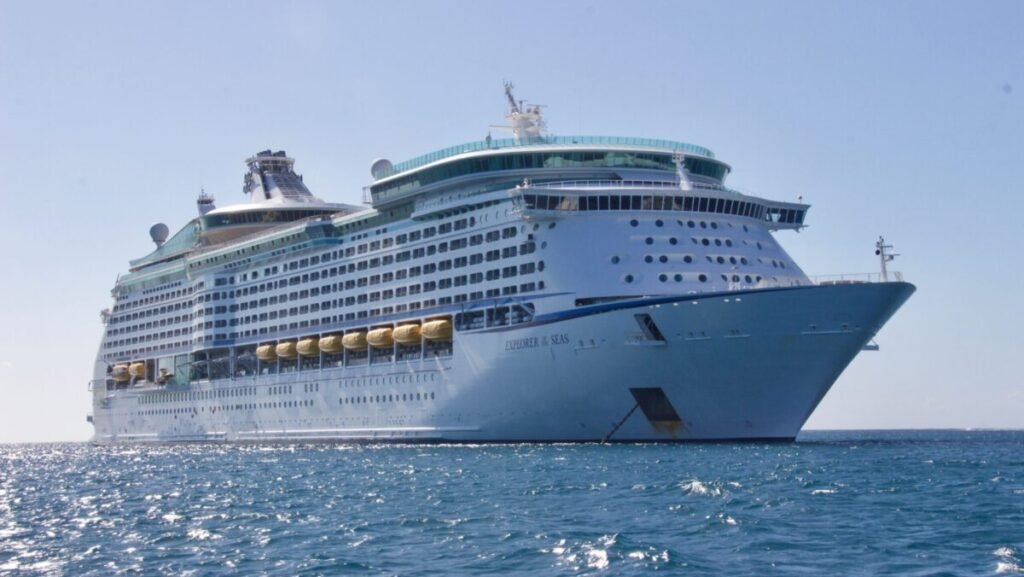
Booking a cruise usually takes about 15 to 30 minutes once you have chosen the sailing, selected a cabin, gathered the travelers’ information, and decided how to pay. Choosing the right cruise can take considerably longer. A couple with flexible dates might compare options for a few hours, while a family or group may need several days—or even weeks—to coordinate schedules, cabins, documents, transportation, and costs.
The reservation itself is similar to booking a hotel, but the decision has more layers. You are choosing a ship, itinerary, cabin, dining arrangement, and cancellation policy at the same time. You may also need flights, a pre-cruise hotel, ground transportation, travel insurance, and documents that satisfy the cruise line and every country on the itinerary.
There is no reliable industry-wide average showing exactly how many minutes travelers spend booking a cruise. The time ranges in this guide are practical planning estimates rather than guaranteed or officially reported averages. They are intended to help you identify which decisions must be made before paying and which choices can wait until later.
Quick Answer
Most travelers can complete the actual cruise reservation in 15 to 30 minutes after selecting a ship, sailing date, cabin, and fare.
A realistic overall timeline is:
- Simple online reservation: 15–30 minutes
- First-time cruiser comparing a few sailings: 1–3 hours
- Couple coordinating dates, budget, and transportation: Several hours to 2 days
- Family needing adjoining cabins or child-friendly arrangements: 1–7 days
- Large group, reunion, or specialty cruise: Several days to several weeks
- Complex international or expedition itinerary: Several days or longer
- Last-minute booking: 30 minutes to several hours if suitable space and documents are available
The confirmation normally arrives soon after the cruise line or travel advisor accepts the payment or required deposit. That confirmation means the cruise has been reserved; it does not mean every part of the trip has been completed. Online check-in, final payment, travel-document submission, dining, excursions, and arrival-time selection usually happen later.
Typical Cruise Booking Timeline
Cruise planning makes more sense when it is separated into stages:
| Stage | Typical planning time | What happens |
| Basic destination and date search | 30 minutes–2 hours | Compare regions, ports, cruise lengths, and available dates |
| Ship and itinerary comparison | 1–3 hours | Review the ship, port schedule, sea days, activities, and atmosphere |
| Cabin and fare selection | 20–60 minutes | Compare interior, ocean-view, balcony, suite, location, and fare rules |
| Traveler and document review | 15–60 minutes | Confirm legal names, birth dates, citizenship, passport validity, and visas |
| Checkout and deposit | 10–30 minutes | Enter passenger information, review terms, and make payment |
| Confirmation delivery | Usually within minutes | Receive a reservation number, invoice, payment schedule, and next steps |
| Post-booking planning | Days or weeks over time | Arrange insurance, flights, hotels, excursions, dining, and transportation |
| Online check-in | Usually completed closer to sailing | Add documents, emergency contacts, onboard payment, and arrival details |
A familiar cruiser may move through the first five stages in one sitting. A first-time traveler should not feel pressured to do that. Pausing before checkout to compare the final costs and cancellation rules is often the smartest part of the process.
What Counts as “Booked”?
A cruise is generally booked when the cruise line or authorized seller accepts the required payment and issues a reservation or confirmation number. Depending on the fare and how close the sailing is, the required payment may be:
- A refundable deposit
- A nonrefundable deposit
- A larger promotional deposit
- The full cruise balance
The words reserved, deposited, paid in full, and checked in do not mean the same thing.
Reserved
The cabin is associated with your booking. Some websites or advisors may offer a temporary courtesy hold, but the length and availability of holds vary. A hold can expire if the deposit is not made by the stated deadline.
Deposited
The cruise line has received the required initial payment. You still owe the remaining balance by the final-payment date shown on the confirmation.
Paid in Full
The cruise fare and required booking charges have been paid. Optional purchases, onboard spending, gratuities, or other costs may still remain.
Checked In
You have completed the cruise line’s pre-arrival registration, which may include identification details, emergency contacts, an onboard expense account, a security photo, and an arrival appointment. Check-in usually opens closer to the sailing date and is separate from making the reservation.
This distinction prevents a common first-time mistake: assuming that receiving a booking email means nothing else needs to be done.
What Information Do You Need to Book a Cruise?
The exact fields vary, but having the following information ready can reduce checkout to a few minutes:
- Full legal name of each traveler as it appears on the travel document
- Date of birth
- Country of citizenship
- Home address and contact information
- Email address and telephone number
- Preferred sailing and cabin category
- Bedding or cabin-occupancy choices
- Loyalty-program numbers, when applicable
- Promotional, military, resident, senior, or group information, when applicable
- Credit card or other accepted payment method
- Name and contact information for the person managing the reservation
A cruise line may not require a passport number at the initial checkout, but that does not mean a passport is unnecessary. Document details are often collected during online check-in. The traveler remains responsible for arriving with documents accepted by the cruise line and by the governments involved in the itinerary.
Check the spelling of every name before submitting payment. A nickname, shortened first name, missing surname, or incorrect date of birth can create problems later. Correction policies differ, and changing one traveler to an entirely different person may be treated differently from fixing a typographical error.
The Five Decisions to Make Before Paying
You do not need to plan every dinner and shore excursion before booking. You should, however, settle five important questions.
1. Is the Itinerary Right?
Read the complete route, not just the destination in the headline. Two cruises advertised as “Caribbean” may visit entirely different countries. Compare:
- Departure and return ports
- Number of nights
- Number of sea days
- Time scheduled in each port
- Tender ports, where passengers may use smaller boats to reach shore
- One-way versus round-trip routing
- Overnight port calls
- Seasonal weather and travel conditions
An itinerary can change for weather, safety, port, or operational reasons. Book because the overall vacation works for you, not because the trip depends entirely on one port.
2. Is the Ship a Good Fit?
The newest or largest ship is not automatically the best choice. Consider the kind of vacation you want:
- Quiet relaxation or continuous activities
- Formal dining or flexible meals
- Adult-focused spaces or extensive children’s programs
- Large entertainment venues or a smaller-ship atmosphere
- Many sea days or frequent ports
- Accessible routes and facilities
- High-energy nightlife or earlier, quieter evenings
A traveler who dislikes crowds may prefer a smaller ship or a sailing outside school holidays. A family with energetic children may value pools, age-appropriate programs, and easy meal options more than an elaborate itinerary.
3. Is the Cabin Suitable?
Cabin category affects price, comfort, and availability. Common choices include:
- Interior cabin
- Ocean-view cabin
- Balcony cabin
- Suite
- Accessible cabin
- Connecting or adjoining cabins
- Family or multiroom accommodation
Then consider location. Cabins near elevators are convenient but may receive more hallway traffic. Cabins far forward or aft can involve longer walks and may feel more motion. A room directly below an entertainment area, pool deck, or gym may experience noise. An obstructed-view cabin can cost less because equipment or part of the ship blocks the view.
Do not assume a room that sleeps four provides four ordinary beds or enough floor space for four adults. Additional berths may be sofa beds, pull-down beds, or upper bunks. Look at the stated configuration and, when the layout is unclear, ask before paying.
4. Can Every Traveler Meet the Documentation Rules?
Review the entire itinerary, including countries where you do not plan to leave the ship. The U.S. Department of State advises cruise travelers to have the required visas for all stops when applicable, even if they do not plan to disembark.
For U.S. citizens, some closed-loop cruises that begin and end at the same U.S. port may permit certain proof-of-citizenship documents instead of a passport book. That exception is narrower than many travelers realize. It may not satisfy the cruise line, every destination, or the requirements for flying home from another country.
The State Department strongly recommends that cruise passengers travel with a valid passport book. A passport card is not valid for international air travel. If illness, injury, a missed departure, or a ship problem requires you to fly home, a passport book can become essential.
Travelers who are not U.S. citizens, lawful permanent residents, dual nationals, or children traveling without both parents may have different requirements. Visa rules depend on nationality as well as destination. Confirm requirements with the cruise line and the appropriate government authorities before paying a fare that may be nonrefundable.
5. Do the Price and Cancellation Terms Work?
Look at the checkout total and the written terms, not only the advertised starting fare. Ask:
- Is the deposit refundable or nonrefundable?
- When is final payment due?
- What happens if one traveler cancels?
- What happens if the remaining person occupies the cabin alone?
- Are changes to the ship or sailing date treated as cancellations?
- Which costs are included now?
- Which items are optional or paid later?
- Does the fare include any advertised credit or package?
- Is the promotion tied to a particular cabin or passenger?
Save a copy of the invoice and the terms that apply to the fare you selected. Cruise promotions and cancellation rules can change, so the confirmation for your individual reservation is more dependable than a general advertisement.
Why Some Cruises Take Longer to Book
Limited Cabin Availability
A sailing may be available while the cabin you need is not. Connecting rooms, accessible cabins, suites, family cabins, and cabins accommodating three or four people are limited subsets of the ship’s inventory.
The booking can take longer when you must compare:
- Two cabins versus one suite
- Connecting, adjoining, or nearby rooms
- Different decks or sections of the ship
- Cabin capacity and berth arrangement
- Accessible features
- Price differences between categories
If a specific configuration is essential, book when it is available rather than assuming more inventory will appear later.
Group Coordination
A group booking is more than entering several names. Travelers may want different cabin types, payment arrangements, dining times, and departure cities. One person may be ready to pay while another is still waiting for work approval.
Before contacting an advisor or group department, decide:
- Who is definitely traveling
- Which dates everyone can use
- Whether each household will pay separately
- Minimum and maximum cabin budgets
- Whether cabins need to be close together
- Whether the group wants to dine together
- Who is authorized to make decisions
Group programs can have different deposits, payment dates, inventory rules, and benefits from individual bookings. Request the terms in writing rather than assuming a group rate is automatically cheaper.
International and One-Way Itineraries
A round-trip cruise from a nearby U.S. port is usually easier to arrange than a cruise beginning in one country and ending in another. One-way and international sailings may require:
- International airfare
- Arrival one or more days before embarkation
- Hotels in different cities
- Visas or electronic travel authorizations
- Passport-validity review
- Airport-to-port transportation
- Different currencies
- Additional luggage planning
The cruise reservation may still take 20 minutes, but confirming that the complete trip is workable may take several days.
Special Needs and Accessibility
Travelers who need an accessible cabin, medical accommodation, mobility-device storage, oxygen arrangements, refrigeration for medication, dialysis coordination, or dietary assistance should verify what the cruise line can provide before booking.
Accessible cabins are limited and are designed for travelers who need their features. Explain the functional need clearly. Do not rely on a cabin photo alone; ask about doorway width, bathroom layout, bed clearance, tender access, excursion accessibility, and whether any required form or advance notice applies.
Traveling With Children
Family bookings can take longer because age and cabin rules matter. Cruise lines may have:
- Minimum ages for infants
- Higher minimum ages on sailings with several consecutive sea days
- Rules about which adults and minors may occupy a cabin
- Requirements for a child traveling without a parent or with only one parent
- Age limits for children’s programs and activities
- Restrictions affecting diapered or toilet-training children
- Limited connecting and family cabins
Policies differ by cruise line, ship, itinerary, and departure country. Confirm them for the exact sailing rather than relying on a general statement from another traveler.
For a family, it helps to think in practical terms. Will a child nap in the room while other family members want to use it? Can everyone manage one bathroom? Is the balcony appropriate for your comfort level? Will the cabin still function when the extra beds are open? These questions are more useful than simply asking how many people the room can hold.
How Far in Advance Should You Book a Cruise?
There is no single best booking window and no guaranteed point when prices are lowest. Inventory, demand, promotions, ship redeployments, and airfare all affect the outcome.
These planning windows are reasonable starting points:
| Type of trip | Practical time to begin looking |
| Flexible short cruise from a nearby port | 2–6 months ahead |
| Ordinary Caribbean or Bahamas vacation | 3–9 months ahead |
| Alaska, Europe, or other seasonal itinerary | 6–12 months ahead |
| Holiday or school-break sailing | 6–12 months or more |
| Suite, connecting cabins, or accessible cabin | 6–12 months or more |
| Large group, reunion, or wedding | 9–18 months ahead |
| Expedition, world, or highly specialized cruise | 12 months or more |
These are recommendations for preserving choice, not promises of the lowest fare. Flexible travelers may successfully book much later. Travelers who need a particular date, cabin, or accessibility feature have more reason to start early.
Should You Book Early or Wait for a Last-Minute Deal?
Advantages of Booking Early
Booking early can provide:
- More cabin categories and locations
- Better availability for connecting rooms
- More time to budget and make payments
- More flight and hotel choices
- Time to obtain passports or visas
- Earlier access to some dining, activity, or excursion reservations
- More time to arrange accessibility or medical needs
Early booking does not guarantee the lowest final cost. If the fare later changes, the cruise line’s adjustment options depend on its policy, your fare type, your country of booking, and whether final payment has passed.
Advantages and Risks of Booking Late
A late booking may work for someone who:
- Has flexible dates and ports
- Can accept almost any cabin location
- Already has valid documents
- Can drive to the departure port
- Is comfortable making decisions quickly
The cruise fare may be attractive, but flights and hotels can be expensive or unavailable. Dining times and popular excursions may be limited. The remaining cabins may not work for families, mobility needs, or travelers sensitive to noise or motion.
Never book a last-minute international sailing and assume document problems can be solved at the pier. The cruise line can deny boarding when a traveler lacks required documentation, even if the reservation and online check-in were accepted.
Booking Online vs Using a Travel Advisor
Booking Directly Online
Direct online booking is often fastest when:
- You know the exact ship and date
- One or two cabins are needed
- The travelers have simple documentation
- No unusual accessibility or occupancy questions apply
- You are comfortable reading fare and cancellation terms
An online reservation may take 15 to 30 minutes. You control the selection and can often manage payments and optional purchases through the cruise line’s website or app.
Booking by Telephone
Calling the cruise line can help when:
- The website does not show a required cabin arrangement
- You need clarification about occupancy
- A promotion appears confusing
- You have a future cruise credit or unusual payment issue
- You need to discuss accessibility
- The online system rejects passenger information
The call itself may take 30 minutes or longer, especially during high-volume periods.
Using a Travel Advisor
A cruise-experienced advisor can be useful for:
- First-time cruisers
- Groups and multiple cabins
- Luxury or expedition sailings
- International air and hotel coordination
- Comparing ships and cabin locations
- Monitoring deadlines
- Understanding available promotions
Using an advisor does not remove the traveler’s responsibility to review documents, names, costs, and terms. It also changes how the reservation may be serviced. For example, payments or changes may need to go through the advisor instead of directly through the cruise line.
Ask whether the advisor charges a planning, change, or cancellation fee in addition to any cruise-line charges. Also ask who will assist if a problem occurs outside regular business hours.
How Cruise Deposits and Final Payments Affect the Timeline
Many cruises can be reserved with a deposit, with the remaining balance due later. Deposit amounts and final-payment dates vary by cruise line, voyage length, cabin type, promotion, and group status.
Current examples show why travelers should not memorize one deadline. Royal Caribbean publishes different final-payment schedules based on cruise length, while Carnival’s schedule also varies by voyage length and destination. Across major lines, final payment is often due roughly two to four months before departure, but your confirmation is the controlling source for your booking.
If you reserve after the final-payment date, the full balance may be due immediately. A card decline or payment-processing problem can therefore prevent the cabin from being confirmed.
Record these dates as soon as you book:
- Deposit payment date
- Last date to cancel under the selected terms
- Final-payment date
- Travel-insurance purchase deadline for any time-sensitive benefits
- Online check-in opening and closing dates
- Deadline for passenger details or special requests
Do not assume the cruise line will repeatedly remind you. A missed final-payment deadline can lead to cancellation under the booking terms.
What Happens After You Book?
Review the Confirmation Immediately
Check:
- Ship and sailing date
- Departure and return ports
- Passenger names and birth dates
- Cabin number or guaranteed category
- Fare type
- Deposit status
- Remaining balance
- Final-payment date
- Included promotions
- Dining selection, if shown
- Travel advisor or agency details
Report an error promptly. It is easier to correct a typo shortly after booking than during check-in or at the terminal.
Decide on Travel Insurance
Travel insurance is not one product. Trip cancellation, trip interruption, medical coverage, and emergency evacuation are different protections. Read the covered reasons, exclusions, limits, and effective dates.
The U.S. Department of State recommends that cruise travelers have medical and emergency-evacuation coverage that applies to their trip. Medicare and Medicaid generally do not pay for medical care outside the United States. A credit card or domestic health plan may offer some protection, but travelers should verify the details rather than assume.
If the trip is being planned during a family illness, after an unexpected loss, or while work and caregiving schedules remain uncertain, flexibility matters. Compare a refundable deposit or flexible fare with the actual language of any cancellation coverage. “Cancel for any reason” coverage, when available, has specific conditions and does not necessarily reimburse the entire trip cost.
Arrange Transportation and a Pre-Cruise Hotel
Cruise ships do not wait for independently booked delayed flights in the same way an airline may rebook a connecting passenger. For a cruise leaving from another city—especially another country—many travelers choose to arrive at least one day before sailing.
Allow additional time when weather, a long drive, multiple flight connections, or checked luggage could disrupt the trip. The cost of a hotel may be easier to absorb than the cost and stress of trying to catch a ship at its next port.
Monitor Passport and Visa Needs
If anyone needs a new passport, renewal, visa, or consent document for a child, start promptly. Government processing times and country rules can change. Verify them through current official sources rather than an old forum post or a traveler’s experience from a different itinerary.
Complete Online Check-In
Closer to sailing, the cruise line may ask for:
- Travel-document information
- Emergency contact
- Homeward travel plans
- Onboard expense account
- Security photograph
- Health information or acknowledgments
- Port arrival appointment
- Acceptance of the passenger contract
Completing online check-in does not replace the physical documents required at embarkation.
Reserve Optional Items
Depending on the cruise line, travelers may later reserve:
- Shore excursions
- Specialty dining
- Beverage packages
- Internet access
- Spa services
- Children’s activities
- Airport or hotel transfers
- Parking
You do not have to purchase every option. A first-time cruiser can reduce stress by securing only the high-priority items, then returning to the rest after understanding the schedule.
How to Book a Cruise Faster Without Rushing
Create a One-Page Trip Brief
Before searching, write down:
- Acceptable travel dates
- Maximum total budget
- Preferred departure ports
- Ideal cruise length
- Number and ages of travelers
- Cabin requirements
- Passport status
- Accessibility or medical needs
- Must-have and nice-to-have features
This keeps attractive photographs and temporary promotions from pulling the search away from what the group actually needs.
Compare the Same Trip Components
When comparing two sailings, include the same categories:
- Cruise checkout total
- Transportation to the port
- Hotel
- Parking or transfers
- Expected gratuities
- Dining or beverage purchases important to you
- Internet, if needed
- Excursions
- Travel insurance
A lower cruise fare can produce a more expensive vacation after airfare and hotels are added.
Narrow the Search in the Right Order
An efficient order is:
- Dates
- Departure port
- Destination and length
- Ship style
- Cabin requirements
- Total price
- Cancellation and payment terms
- Documentation check
- Payment
Starting with cabin décor or excursions before confirming the dates and port usually creates unnecessary work.
Keep Decision-Makers Together
If two adults must approve the purchase, compare the final two or three choices together. Sending dozens of screenshots and links back and forth tends to prolong the process and makes it easier to compare different cabin categories or fare types by mistake.
Pause at the Final Checkout Screen
Moving quickly is useful until the final review. Then slow down. Verify the ship, date, cabin, travelers, total, deposit terms, and final-payment date before selecting the payment button.
Common Cruise Booking Mistakes
Looking Only at the Starting Fare
The lowest displayed price may be for a different date, an interior cabin, a particular occupancy, or a fare with restrictions. Compare the final checkout total for the cabin and passengers you actually intend to book.
Choosing the Ship Before the Itinerary
A beautiful ship does not compensate for departure dates, ports, or travel logistics that do not work. Start with the nonnegotiable practical details.
Assuming Every “Balcony” or “Ocean View” Is the Same
Views, obstructions, balcony size, cabin layout, and location vary. Read the category description and deck plan.
Using Names That Do Not Match Documents
Enter each legal name carefully. Do not guess at a middle name or use a nickname because that is what the traveler normally uses.
Assuming a Birth Certificate Is Always Enough
Some U.S. citizens may use qualifying citizenship and identification documents on certain closed-loop cruises, but the exception does not cover every cruise or emergency. Verify the exact itinerary and consider the State Department’s recommendation to carry a passport book.
Ignoring the Final-Payment Date
A reservation with a deposit is not fully paid. Record the due date and understand what happens if the payment is missed.
Booking Flights Too Close to Sailing
A delayed flight can cause a traveler to miss the cruise. Review the cruise line’s arrival guidance and consider reaching the departure city a day early.
Buying Insurance Without Reading It
The presence of an insurance charge does not mean every cancellation, illness, missed port, or pre-existing condition is covered. Read the policy and keep a copy.
Assuming Family Cabins Will Remain Available
Connecting cabins and rooms holding more than two people can disappear before ordinary double-occupancy cabins sell out.
Booking for Someone Who Has Not Fully Agreed
Before paying, confirm dates, cost, cabin arrangement, document status, and cancellation responsibility with every adult traveler. A casual “that sounds fun” is not the same as agreeing to a nonrefundable deposit.
Related Articles
If you are planning a vacation or international trip, these related travel guides may also help:
- How Long Does It Take to Get a Passport?
- How Long Does It Take to Get a Visa?
- How Long Does It Take to Get Travel Insurance?
- How Long Does It Take to Check In For a Flight?
- How Long Does It Take to Get Through Customs?
Frequently Asked Questions
How long does it take to book a cruise online?
The checkout process commonly takes 15 to 30 minutes once you know the ship, date, cabin, and fare and have the travelers’ information ready. Research and comparison can take several hours or days.
Can you book a cruise in one day?
Yes. Many cruises can be researched and reserved in one day. A complicated group, international itinerary, or family booking may deserve more time.
Do you need a passport number to book a cruise?
Not always at the initial reservation stage. Some cruise lines collect the number during online check-in. You are still responsible for having the correct documents by embarkation, so verify passport and visa requirements before paying.
Can you book a cruise without a passport?
The reservation system may permit it, and some U.S. citizens on qualifying closed-loop cruises may use other approved documents. That does not mean a passport is unnecessary for every itinerary. The State Department recommends a passport book because a traveler who must fly home internationally cannot use a passport card for that flight.
What is a closed-loop cruise?
For U.S. document purposes, it generally refers to a cruise that departs from and returns to the same U.S. port while traveling within the applicable region. Eligibility and document rules depend on citizenship, itinerary, destination, and cruise-line requirements.
How far ahead should you book a cruise?
Flexible travelers may book a few months ahead or later. Begin 6 to 12 months or more in advance when you need a suite, connecting rooms, an accessible cabin, a holiday date, or a popular seasonal itinerary.
Is it cheaper to book a cruise early?
Not always. Early booking may offer more cabin choice and time to plan, but it does not guarantee the lowest fare. Late promotions sometimes appear, although remaining cabins and transportation may cost more or be limited.
Can you book a cruise at the last minute?
Sometimes, if the cruise line is still accepting reservations and you have the required documents and transportation. Same-day or extremely late reservations should never be assumed available because operational and passenger-information deadlines apply.
How much do you have to pay when booking?
That depends on the cruise line, sailing length, fare, cabin, promotion, and how close departure is. You may owe a deposit or the full balance. The checkout page and confirmation should show the amount and final-payment deadline.
Is a cruise deposit refundable?
Some deposits are refundable under stated conditions, while others are nonrefundable. A refundable deposit may also become subject to cancellation penalties later. Read the fare terms before paying.
When is final payment due?
Policies vary. Major cruise lines commonly set final payment roughly two to four months before sailing, with different deadlines for certain voyage lengths, destinations, suites, and groups. Use the exact date on your confirmation.
Can you change a cruise after booking?
Many reservations can be changed, but fare differences, service charges, lost promotions, and cancellation penalties may apply. Changing the passenger, ship, or date can be treated differently from correcting a spelling error.
Is it better to book online or through a travel advisor?
Online booking is often fastest for a simple trip. An experienced advisor may be helpful for groups, international itineraries, specialty cruises, connecting cabins, accessibility needs, or travelers who want assistance comparing terms.
Does a travel advisor make the cruise more expensive?
Not necessarily, but advisors may have their own planning, change, or cancellation fees. Ask about all fees and how the reservation will be serviced before authorizing the booking.
Do cruises sell out early?
Some sailings and cabin categories do. Holiday dates, seasonal destinations, suites, accessible rooms, and connecting cabins may become limited even while other rooms remain available.
Should you choose excursions while booking the cruise?
Usually not. The cruise reservation can generally be completed first, with excursions selected afterward. If one activity is essential, check its availability and cancellation terms soon after booking.
Do children need passports for a cruise?
The answer depends on citizenship, itinerary, destination, method of returning home, and cruise-line policy. Children may also need proof of relationship or permission documents. Verify the exact requirements through the cruise line and official government sources.
Can an infant go on any cruise?
No. Cruise lines impose minimum ages, and the minimum may be higher on transoceanic or other sailings with multiple consecutive sea days. Confirm the policy for the exact itinerary before booking flights or cabins.
What if one person in the cabin cancels?
The remaining traveler’s price may change because cruise cabins are commonly priced around occupancy. Cancellation penalties may also apply to the departing traveler. Ask for a revised written invoice before approving the change.
How do you know the reservation is confirmed?
You should receive a reservation number and written confirmation showing the ship, sailing, travelers, cabin or category, payments, balance, and due date. If payment was taken but no confirmation arrives, contact the seller promptly.
Quick Summary
The actual cruise reservation usually takes 15 to 30 minutes, but selecting the right cruise may take several hours to several days. Families, groups, international travelers, and anyone needing a particular cabin or accommodation should allow more planning time.
Before paying, confirm the itinerary, ship, cabin configuration, travel documents, complete price, deposit terms, and final-payment date. Passport and visa requirements should be checked for every traveler and every port; being able to reserve online does not prove that a traveler has the documents required to board.
After booking, review the confirmation immediately, consider appropriate travel and medical coverage, arrange transportation, and record every deadline. A calm, careful half hour at checkout can prevent expensive surprises and make the rest of the vacation easier to enjoy.
Sources & References
- U.S. Department of State — Cruise Ships
- U.S. Department of State — Travel Insurance
- U.S. Department of State — Passport Card Versus Passport Book
- U.S. Customs and Border Protection — Western Hemisphere Travel Initiative
- Royal Caribbean — Deposit Requirements
- Royal Caribbean — Final-Payment Schedule
- Royal Caribbean — Online Check-In and Boarding
- Carnival Cruise Line — Deposit and Final-Payment Requirements
- Carnival Cruise Line — Travel Documents and Online Check-In
Editorial Review
Reviewed by Claire Bennett, Managing Editor
Last reviewed: July 2026
Quick Answer Guide publishes practical, research-based answers to common questions about money, technology, health, travel, home improvement, and everyday life. Content is reviewed using official government resources, educational institutions, industry publications, and other authoritative sources when appropriate. Articles are updated periodically to improve accuracy and usefulness.l institutions, industry publications, and other authoritative sources when appropriate. Articles are updated periodically to improve accuracy and usefulness