
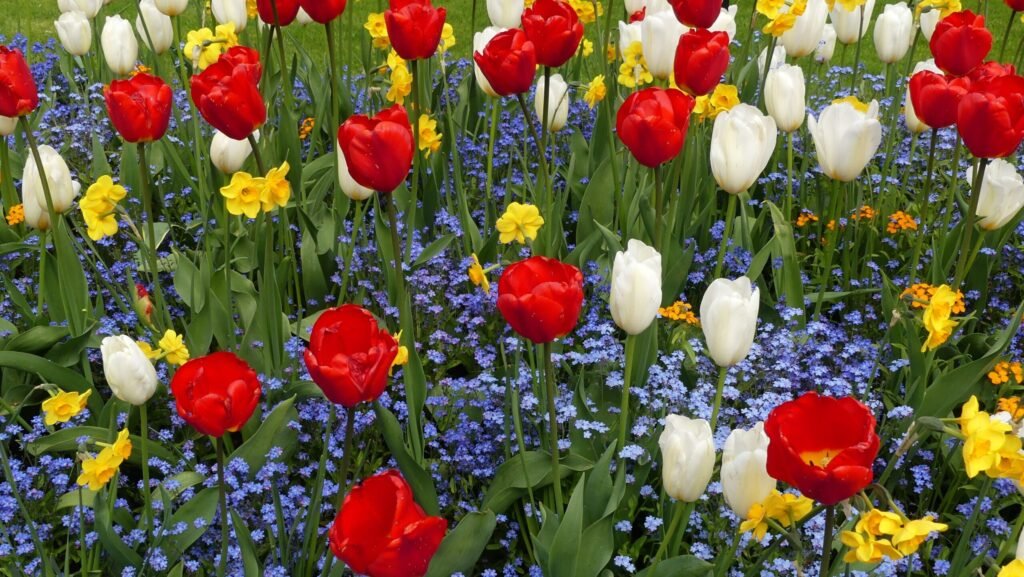
Few sights are more satisfying than the first flower opening on a plant you have grown yourself. The wait may be only a few weeks for a fast-growing annual, or it may extend across several growing seasons for a perennial started from seed.
The answer depends partly on what “planting” means. A nursery plant with visible buds may flower almost immediately, while a seed must germinate, develop roots and leaves, and reach maturity before it can produce its first bloom. The flower variety, planting season, sunlight, temperature, water, and local climate all influence the timing.
Understanding these differences makes it easier to plan a garden with dependable color—and to recognize when a plant is simply taking its natural course rather than experiencing a problem.
Quick Answer
Most flowers take anywhere from 50 to 95 days after planting. Some fast-growing ones will bloom within a few weeks, while others may take several months depending on the type of flower and growing conditions.
Typical Flower-Blooming Timeline
| Type of Flower or Planting Method | Approximate Time to Bloom |
|---|---|
| Fast-growing annuals from seed | 6 to 8 weeks |
| Most annuals from seed | 8 to 12 weeks |
| Slower annuals from seed | 12 to 16 weeks or longer |
| Nursery annuals with buds | Immediately to a few weeks |
| Nursery-grown perennials | Same season or the following season |
| Perennials grown from seed | 1 to 3 years |
| Biennials grown from seed | Usually the second growing season |
| Spring-flowering bulbs | The spring after fall planting |
| Summer-flowering bulbs | Usually the same summer when planted at the proper time |
These are general estimates. The variety listed on the seed packet or plant label provides a more useful timeline than a broad estimate for the entire species.
| Flower | Time Seed-1st Bloom |
|---|---|
| Sweet alyssum | 6 to 9 weeks |
| Calendula | 6 to 9 weeks |
| Marigold | 8 to 12 weeks |
| Nasturtium | 8 to 10 weeks |
| Zinnia | 8 to 10 weeks |
| Cosmos | 8 to 12 weeks |
| Sunflower | About 60 to 100 days |
| Petunia | 12 to 15 weeks |
| Snapdragon | 14 to 16 weeks |
How Long Do Annual Flowers Take to Bloom From Seed?
What Does “After Planting” Mean?
The starting point makes a considerable difference when estimating flowering time.
A seed must germinate, develop roots and leaves, and reach reproductive maturity before it can form flower buds. A nursery transplant has already completed much of that growth. If the plant has visible buds when purchased, flowering may begin almost immediately after planting.
Bulbs, tubers, rhizomes, and bare-root perennials follow different schedules. Their flowering time is usually tied to the season in which they naturally bloom rather than simply to the number of days since planting.
When a seed packet lists “days to bloom,” check whether the number is counted from sowing the seed or from transplanting the seedling outdoors. Seed companies do not always calculate this number in exactly the same way.
How Long Do Annual Flowers Take to Bloom From Seed?
Annuals complete their life cycle in one growing season. Because they must grow, bloom, and produce seed within that period, many annuals flower more quickly than plants that live for several years.
Common approximate timelines include:
| Flower | Approximate time from seed to first bloom |
| Sweet alyssum | 6 to 9 weeks |
| Calendula | 6 to 9 weeks |
| Marigold | 8 to 12 weeks |
| Nasturtium | 8 to 10 weeks |
| Zinnia | 8 to 10 weeks |
| Cosmos | 8 to 12 weeks |
| Sunflower | About 60 to 100 days |
| Petunia | 12 to 15 weeks |
| Snapdragon | 14 to 16 weeks |
These ranges should be treated as planning estimates, not guarantees. A compact marigold may flower earlier than a tall African marigold, and a branching sunflower may follow a different schedule from a single-stem variety.
Weather can also change the timeline. A zinnia planted into warm soil and full sun may grow rapidly, while the same variety planted during cool, cloudy weather may take considerably longer.
Flowers That Bloom Quickly
Gardeners who want fast color should look for annuals described as “early flowering” or “days to bloom” varieties.
Marigolds
Many marigolds begin flowering approximately 8 to 12 weeks after sowing. Smaller French and signet marigolds generally flower sooner than tall African marigolds.
Marigolds grow best in full sun. Plants in too much shade may become stretched and leafy while producing fewer flowers.
Zinnias
Many zinnias produce their first flowers in approximately 60 to 70 days under favorable conditions. Compact varieties may bloom sooner, while tall or large-flowered varieties can require additional time.
Zinnias prefer warm weather, full sun, and well-drained soil. Starting them too early in cold soil does not necessarily result in earlier flowers.
Sunflowers
Many sunflower varieties begin flowering approximately 60 to 100 days after sowing. Some compact ornamental varieties are bred for earlier flowering, while very tall or branching varieties may take longer.
The 70- to 100-day maturity range sometimes printed for sunflowers may refer to seed maturity rather than the appearance of the first flower. Gardeners should check the packet carefully.
Cosmos
Cosmos commonly begin flowering about 8 to 12 weeks after sowing. They perform well in full sun and generally do not need rich soil. Excessive fertilizer can produce large, leafy plants with relatively few flowers.
Nasturtiums
Nasturtiums germinate quickly and often begin flowering in approximately 8 to 10 weeks. They grow best in full sun and relatively lean, well-drained soil. Too much fertilizer encourages foliage at the expense of flowers.
Annual, Biennial, and Perennial Blooming Times
A plant’s natural life cycle is one of the best indicators of how soon it will flower.
Annual Flowers
Annuals complete their life cycle in one growing season. Popular examples include:
- Marigolds
- Zinnias
- Cosmos
- Petunias
- Sunflowers
- Nasturtiums
Most annuals bloom during the same season in which their seeds are planted. Some continue flowering until frost, especially when faded flowers are removed before seeds develop.
“Annual” does not always mean the plant behaves the same way throughout the country. A tender perennial may be grown as an annual in a cold climate but live for several years in a frost-free region.
Biennial Flowers
Biennials normally complete their life cycle over two growing seasons. During the first year, the plant typically develops roots and leaves. It flowers and produces seed during the second year.
Common examples include:
- Hollyhocks
- Foxgloves
- Sweet William
- Some types of parsley and evening primrose
Some specially bred varieties may flower during their first year, so the plant label remains important.
Perennial Flowers
Perennials live for more than two years, but that does not mean they flower continuously. Most have a particular flowering season, such as spring, early summer, late summer, or fall.
A nursery-grown perennial may bloom during its first season, especially if it was already mature when purchased. Its first display may be modest while the plant directs energy into root establishment.
Perennials grown from seed often take longer. Some flower during the first year, while others require two or three growing seasons. This is normal and does not necessarily indicate a problem.
How Long Do Bulbs Take to Bloom?
Flowering bulbs follow seasonal growth cycles.
Spring-flowering bulbs such as tulips, daffodils, and crocuses are normally planted in fall and bloom the following spring. Many need an extended cold period before flowering, which is why gardeners in warmer regions may need prechilled bulbs or varieties suited to mild winters.
Summer-flowering bulbs and bulb-like plants—including gladiolus, dahlias, and cannas—are generally planted in spring after the danger of frost has passed. Depending on the plant, variety, and climate, they may bloom several weeks to several months later.
A bulb planted at the wrong time may produce foliage without flowering or may wait until its next natural blooming season.
Growing Flowers From Seeds
Growing flowers from seed takes longer than starting with nursery plants, but it offers more varieties and costs less when filling a large bed.
The complete timeline includes:
- Germination
- Seedling growth
- Root and leaf development
- Bud formation
- Opening of the first flower
Germination is only the first step. A seed that sprouts in seven days may still require another two or three months to flower.
Starting seeds indoors can produce earlier garden color because the plants complete part of their growth before outdoor planting conditions are suitable. It does not eliminate the plant’s development time; it simply moves several weeks of that development indoors.
Seedlings started inside should be hardened off gradually before transplanting. Sudden exposure to intense sun, wind, or cold temperatures can damage them and delay establishment.
Growing Flowers From Nursery Plants
Nursery plants provide the fastest route to an established flower display.
Plants purchased in bloom provide immediate color. Those with unopened buds may begin flowering shortly after planting, provided they are suited to the location and do not experience serious transplant stress.
A nursery plant can temporarily stop growing after planting while its roots adjust to the surrounding soil. Consistent moisture helps during this period, but the soil should not remain waterlogged.
Plants sold in bloom have sometimes been grown under controlled greenhouse conditions. After planting, they may pause before flowering again or return to their normal seasonal schedule the following year.
What Determines When Flowers Bloom?
Plant Variety
Different species—and different varieties within the same species—have their own growth rates. Look for descriptions such as early, midseason, late, compact, or first-year flowering.
Sunlight
Many popular flowering annuals and perennials bloom most heavily in full sun, generally considered at least six hours of direct sunlight per day. However, shade-tolerant flowers such as impatiens and begonias may perform better with protection from strong afternoon sun.
The correct amount of light is more important than giving every flowering plant maximum sun.
Temperature
Temperature affects germination, growth, and bud development, but warmer is not always better.
Marigolds, zinnias, vincas, and sunflowers thrive in warm conditions. Pansies, violas, snapdragons, calendula, and sweet peas prefer cooler weather and may decline or stop flowering during intense summer heat.
Day Length
Some plants use the changing length of day and night as a signal to form flowers. Chrysanthemums and some asters, for example, naturally bloom as nights become longer. No amount of fertilizer will make a photoperiod-sensitive plant ignore its normal seasonal trigger.
Water
Both drought and constantly wet soil can interfere with flowering. Dry plants may drop buds to conserve moisture, while saturated soil deprives roots of oxygen and encourages root disease.
Newly planted flowers need consistent moisture until their roots become established. After that, watering should be adjusted to the plant, weather, soil, and drainage.
Soil and Fertility
Healthy soil supports roots while allowing excess water to drain. However, richer soil is not automatically better for flowering.
Too little nutrition can restrict growth, but excessive nitrogen frequently produces lush leaves and stems instead of flowers. A soil test is the best way to determine whether fertilizer is actually needed.
Local Climate
Blooming time varies considerably across the country. The same flower may begin blooming months earlier in Florida than in Minnesota, while some cool-season flowers last longer in northern climates.
Gardeners should consider local frost dates, summer heat, rainfall, elevation, and growing-season length. Local Cooperative Extension guidance is more useful than a national planting date.
Why Are My Flowers Taking So Long to Bloom?
A plant that appears healthy but has not flowered may simply be immature or out of season. Other common causes include:
- Too little sunlight
- Planting too early in cold soil
- Heat stress in cool-season flowers
- Drought or inconsistent watering
- Poor drainage or overwatering
- Excessive nitrogen fertilizer
- Transplant shock
- Root competition from nearby trees or shrubs
- Pruning or pinching at the wrong time
- Pest or disease damage
- Incorrect planting depth
- A variety that naturally blooms later
- A perennial that has not reached flowering maturity
- Day length or winter chilling requirements that have not been met
Before adding fertilizer, identify the plant and confirm its expected bloom season. Fertilizing a plant that is too young, too shaded, or waiting for the correct day length will not solve the underlying problem.
How to Encourage More Flowers
You cannot safely force a plant to bloom before it is physiologically ready, but good care can help it flower on schedule.
Match the Plant to the Location
Choose sun-loving flowers for sunny beds and shade-tolerant varieties for areas that receive limited direct light.
Plant at the Right Time
Wait until soil and air temperatures are suitable for the flower. Warm-season annuals can stall or suffer damage when planted too early, while cool-season annuals may struggle when planted just before summer heat.
Water Consistently
Keep newly planted flowers evenly moist without leaving the roots in saturated soil. Established plants should be watered according to their individual needs.
Fertilize Only When Needed
Follow soil-test recommendations or the directions provided for container-grown flowers. More fertilizer does not necessarily produce more flowers.
Deadhead Appropriate Plants
Removing faded flowers prevents some plants from directing energy into seed production and can encourage additional blooms. Marigolds, zinnias, petunias, cosmos, and many salvias often respond well to deadheading.
Not every plant needs this treatment. Some newer annuals are self-cleaning, and gardeners may wish to leave seed heads for birds, winter interest, or self-sowing.
Allow Time for Establishment
New perennials often follow the gardening expression “sleep, creep, and leap”: limited visible growth during establishment, more growth the following year, and a fuller display once the root system matures. The progression is not exact for every plant, but patience is often the correct response.
How Long Do Individual Flowers Last?
The life of one flower is different from the plant’s overall flowering season.
An individual hibiscus flower may last only a day, while other flowers remain attractive for a week or longer. A plant can still appear to bloom for months if it continually produces new buds.
In general:
- Individual flowers may last from one day to several weeks.
- Annual plants may continue producing flowers for much of the growing season.
- Many perennials bloom for approximately two to six weeks.
- Some repeat-blooming perennials produce another flush later in the season.
- Deadheading can extend flowering on responsive varieties.
- Heat, heavy rain, wind, and drought can shorten flower life.
Related Posts
Planning what to grow next? These related guides explain how long several other popular plants may take to flower, develop, or produce a harvest:
- How Long Does It Take to Mow a Lawn?
- How Long Does It Take Orchids to Bloom?
- How Long Does It Take Tomatoes to Grow?
- How Long Does It Take to Pressure Wash a House?
Frequently Asked Questions
Do flowers bloom the same year they are planted?
Most annuals bloom during the same growing season. Nursery-grown perennials may also bloom during their first year, but perennials grown from seed can take two or three years. Biennials usually bloom during their second season.
Which flowers bloom fastest from seed?
Sweet alyssum, calendula, marigolds, zinnias, nasturtiums, and some compact sunflowers are among the quicker choices. The exact variety and growing conditions determine the actual timing.
Will starting seeds indoors make flowers bloom sooner?
It can provide earlier outdoor flowers because the seedlings begin growing before local weather permits outdoor planting. They must still receive adequate light and be transplanted at the appropriate time.
Why does my plant have plenty of leaves but no flowers?
Common causes include insufficient sunlight, excessive nitrogen, immaturity, improper pruning, heat stress, or a flower that is waiting for the correct season or day length.
Can fertilizer make flowers bloom faster?
Only if a nutrient deficiency is limiting the plant. Fertilizer cannot correct inadequate sunlight, unsuitable temperatures, immaturity, or seasonal timing. Excess fertilizer—particularly nitrogen—may delay flowering by encouraging leafy growth.
Do flowers bloom faster in containers?
Not necessarily. Nursery plants in containers may appear to bloom faster because they are already mature. Containers also heat up and dry out more quickly than garden soil, which can either speed growth temporarily or stress the plant and reduce flowering.
Quick Summary
Many annual flowers bloom approximately 6 to 12 weeks after their seeds are planted, although the range varies considerably by species and variety. Established nursery plants may flower immediately or within several weeks, while perennials grown from seed may need one to three growing seasons.
For the most accurate estimate, identify the exact variety, determine whether the timeline begins with a seed or established plant, and check its normal flowering season. Appropriate sunlight, temperature, watering, drainage, and nutrition help flowers bloom on schedule, but no single treatment can make every type of flower bloom faster.
Sources & References
- University of Missouri Extension — Starting Plants Indoors From Seeds
- University of Illinois Extension — What Makes Plants Bloom at Different Times of the Year?
- University of Minnesota Extension — Starting Seeds Indoors
- University of Minnesota Extension — Growing Petunias
- Wisconsin Horticulture Extension — Nasturtium
- University of Massachusetts Extension — Field-Grown Annuals for Cut Flowers
- Montana State University Extension — Annual Flowers
- Colorado State University Extension — Flowers for Mountain Communities
Editorial Review
Reviewed by Claire Bennett, Managing Editor
Last reviewed: July 2026
Quick Answer Guide publishes practical, research-based information designed to help readers understand everyday timelines and make informed decisions. Each article is developed using authoritative sources, including government agencies, universities, Cooperative Extension programs, professional organizations, and recognized industry publications. Articles are reviewed for clarity, accuracy, and usefulness and are updated periodically as new information becomes available. Gardening timelines are presented as general estimates because plant variety, climate, weather, soil conditions, and growing practices can affect individual results.