
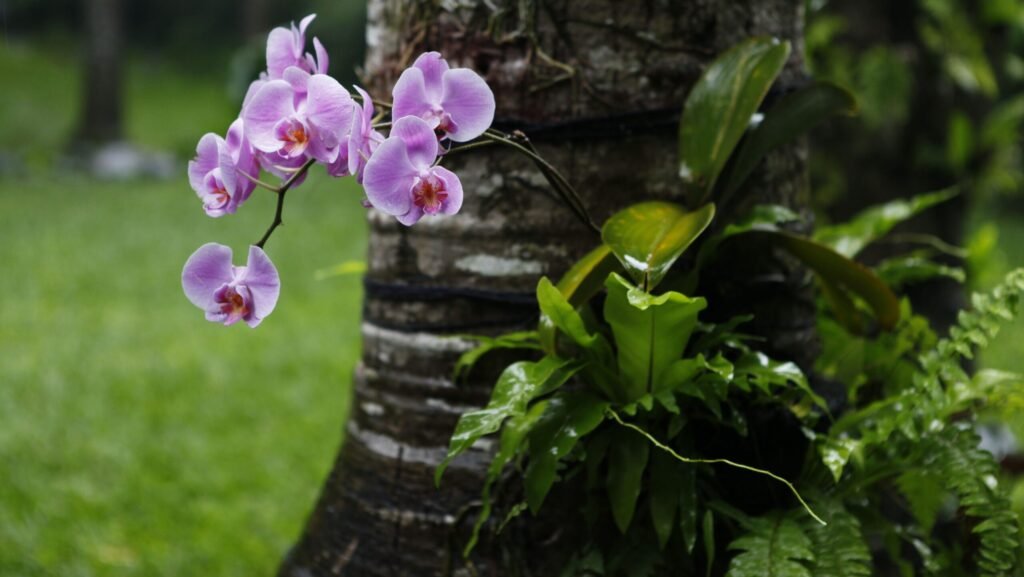
If your orchid has finished blooming and the flowers have fallen off, you may be wondering how long it will take before it blooms again. Orchids are known for their beautiful and long-lasting flowers, but many varieties spend much more time growing leaves and roots than producing blooms. As a result, it is common for orchid owners to worry that their plant is no longer healthy when it simply is not in its flowering cycle.
Most orchids require a period of rest and growth between blooming periods. The exact timing depends on the orchid variety, light levels, temperature, watering habits, and overall plant health. Some orchids bloom only once each year, while others may flower multiple times under ideal conditions.
Understanding the orchid blooming cycle can help you provide the right care and encourage healthy flowers year after year.
Quick Answer
Most orchids take about 6 months to 1 year to bloom again after their flowers fall off. Some orchids bloom once a year, while others may bloom multiple times depending on the variety and growing conditions.
Common Orchid Bloom Cycles
Phalaenopsis Orchids
Phalaenopsis Orchid are one of the most popular indoor orchids.
Typical bloom cycle:
- Bloom once yearly
- Flowers may last 2 to 3 months
- Rebloom in 6 to 12 months
Cattleya Orchids
Cattleya Orchid usually bloom once per year with large, fragrant flowers.
Dendrobium Orchids
Dendrobium Orchid may bloom more than once yearly when conditions are ideal.
Understanding the Orchid Blooming Cycle
Most orchids move through several stages before producing flowers again.
Vegetative Growth
During this stage, the orchid focuses on producing new leaves and roots. Although no flowers are present, this is one of the most important periods for building the energy needed for future blooms.
Spike Development
Once conditions are favorable, the orchid begins producing a flower spike. This stem will eventually support flower buds.
How Long Does It Take an Orchid Spike to Grow?
- New flower spikes often take 1 to 3 months to fully develop.
- Buds may require several additional weeks before opening.
- Growth rates vary by orchid variety and growing conditions.
Bud Formation
Small buds begin developing along the spike. At this point, changes in light, temperature, or watering can sometimes cause buds to drop before opening.
Flowering
The orchid reaches its blooming stage and displays flowers for several weeks or months, depending on the variety.
Can Orchids Bloom More Than Once Per Year?
- Some Dendrobium and Oncidium orchids may bloom multiple times annually.
- Phalaenopsis orchids usually bloom once each year but occasionally rebloom from an existing spike.
- Healthy plants are more likely to produce frequent blooms.
Resting Period
After flowering ends, many orchids enter a recovery period before beginning the cycle again.
How Long Do Orchids Take to Bloom?
The time it takes orchids to bloom depends on:
- The orchid variety
- Light exposure
- Temperature
- Watering habits
- Plant maturity
Healthy orchids usually bloom yearly, with flowers lasting several weeks or even months.
How Long Do Orchid Blooms Last?
Most orchid flowers last:
- 6 to 10 weeks on average
- Sometimes longer with proper care
Cool indoor temperatures and stable conditions often help blooms last longer.
What Helps Orchids Bloom Faster?
Bright Indirect Light
Orchids need strong but indirect sunlight to encourage flowering.
Proper Watering
Most orchids prefer drying slightly between waterings.
Cooler Night Temperatures
A small drop in nighttime temperature often triggers blooming.
Fertilizer
Using orchid fertilizer regularly during growth periods supports flower production.
Why Isn’t My Orchid Blooming?
Common reasons orchids do not bloom include:
- Not enough light
- Overwatering
- Temperatures that stay too warm
- Poor root health
- Plant stress after repotting
Sometimes they simply need more time to recover between bloom cycles.
How Long Does It Take a New Orchid to Bloom?
Young orchids may take:
- 2 to 5 years to fully mature
- Longer when grown from seed
Store-bought orchids are usually mature enough to bloom immediately or rebloom within a year.
Signs an Orchid Is About to Bloom
You may notice:
- A new flower spike forming
- Thick green leaves
- Healthy roots
- Buds developing along the stem
Once buds appear, flowers often open within several weeks.
How to Care for an Orchid After Flowering
Many people mistakenly believe their orchid is dying after the flowers fall off. In reality, the plant is often entering a normal growth phase.
After blooming:
• continue providing bright indirect light
• water when the potting medium begins to dry
• avoid leaving roots constantly wet
• fertilize regularly during active growth
• inspect roots for signs of rot or disease
• remove dead flower spikes when appropriate
Healthy leaves and roots are usually better indicators of orchid health than the presence of flowers. A plant that looks healthy after blooming is often preparing for its next flowering cycle.
Best Conditions for Orchid Reblooming
Creating the right environment can significantly improve the chances of an orchid blooming again. While different orchid varieties have slightly different requirements, most thrive when conditions remain relatively stable.
Light is often the most important factor. Orchids generally perform best in bright, indirect sunlight. Too little light may prevent flowering, while direct sunlight can damage leaves.
Temperature also plays a major role in flower production. Many orchids benefit from slightly cooler nighttime temperatures, which can signal the plant to begin developing a flower spike. A difference of several degrees between daytime and nighttime temperatures is often enough to encourage blooming.
Humidity levels can also affect orchid health. Because many orchids originate from tropical environments, moderate humidity often helps support healthy roots, leaves, and flower production.
When combined with proper watering and occasional fertilization, these growing conditions can encourage stronger plants and more consistent blooms over time.
Can Orchids Grow on Trees?
Yes. Many orchid species naturally grow attached to tree trunks and branches in tropical and subtropical environments. These orchids are known as epiphytes, meaning they use trees for support rather than taking nutrients from them.
In warm climates such as Florida, many gardeners successfully mount orchids on trees outdoors. Orchids generally perform best on trees with rough bark because their roots can attach more easily to the surface. Once established, the roots gradually cling to the bark and the orchid may continue growing and blooming for many years.
When attaching an orchid to a tree:
• remove most potting material from the roots
• place the roots directly against the bark
• secure the plant with biodegradable twine, cloth strips, or other non-metal ties
• choose a location with appropriate light for the orchid variety
• water regularly during the establishment period
Many orchids adapt well to outdoor growing conditions and may even grow more vigorously when mounted on suitable trees in warm, humid climates.
Related Posts
If you are learning about plant growth, flowering cycles, and garden care, these related guides may also help:
- How Long Does It Take Flowers to Bloom?
- How Long Does It Take Tomatoes to Grow?
- How Long Does It Take to Mow a Lawn?
- How Long Does It Take to Install a Fence?
Frequently Asked Questions
Should I cut the flower spike after blooming?
For Phalaenopsis orchids, some growers leave green spikes in place because they may produce additional flowers. Brown or dead spikes are typically removed.
Do orchids need sunlight to bloom?
Yes. Insufficient light is one of the most common reasons orchids fail to bloom.
How often should orchids be watered?
Most orchids prefer watering about once per week, although frequency varies depending on temperature, humidity, and potting medium.
Can an orchid bloom year-round?
Most orchids do not bloom continuously, but different varieties may bloom at different times throughout the year.
What is the easiest orchid for beginners?
Phalaenopsis orchids are generally considered the easiest orchids to grow indoors and are often recommended for beginners.
Can I force an orchid to bloom?
While you cannot force an orchid to bloom immediately, providing proper light, temperature changes, watering, and fertilization can encourage flowering.
Do orchids bloom at the same time every year?
Many orchids bloom around the same season each year, but timing can vary depending on growing conditions and plant health.
How long can an orchid live?
With proper care, many orchids can live for decades and continue producing flowers year after year.
That should put you somewhere around 1,300–1,400 words, which is a much stronger target for this topic.
Quick Summary
Most orchids take between 6 months and 1 year to bloom again after their flowers fade, although the exact timing depends on the orchid variety and growing conditions. Phalaenopsis orchids, one of the most popular indoor varieties, commonly rebloom within 6 to 12 months when provided with proper care. Factors such as light exposure, temperature, watering habits, root health, and fertilization all play important roles in encouraging future flowers.
While waiting for blooms to return, it is normal for orchids to spend months producing new leaves and roots. This growth period helps the plant store energy for its next flowering cycle. By providing bright indirect light, proper watering, and consistent care, healthy orchids can continue producing beautiful blooms for many years.
Sources & References
- American Orchid Society
- University of Florida IFAS Extension
- Missouri Botanical Garden
- Royal Horticultural Society
Editorial Review
Reviewed by the Quick Answer Guide Editorial Team
Last reviewed: June 2026
Quick Answer Guide publishes practical, research-based answers to common questions about money, technology, health, travel, home improvement, and everyday life. Content is reviewed using official government resources, educational institutions, industry publications, and other authoritative sources when appropriate. Articles are updated periodically to improve accuracy and usefulness.